The Kuwaiti artist Aseel AlYaqoub has won the seventh Ithra Art Prize, a grant of $100,000, for Flora Incognita, a herbarium of invented desert plants. According to Arab News, she was named the winner at a ceremony on 1 October 2026 at the King Abdulaziz Center for World Culture, known as Ithra, in Dhahran. The prize is worth SR376,000, and the winning work joins Ithra's permanent collection.
The award is open to artists who are Arab or who live in Arab countries. This year it goes to an artist from Kuwait City whose subject is the ground of the Gulf itself: how it was named, mapped and sorted, often by people who did not live there.
A herbarium of plants that do not exist
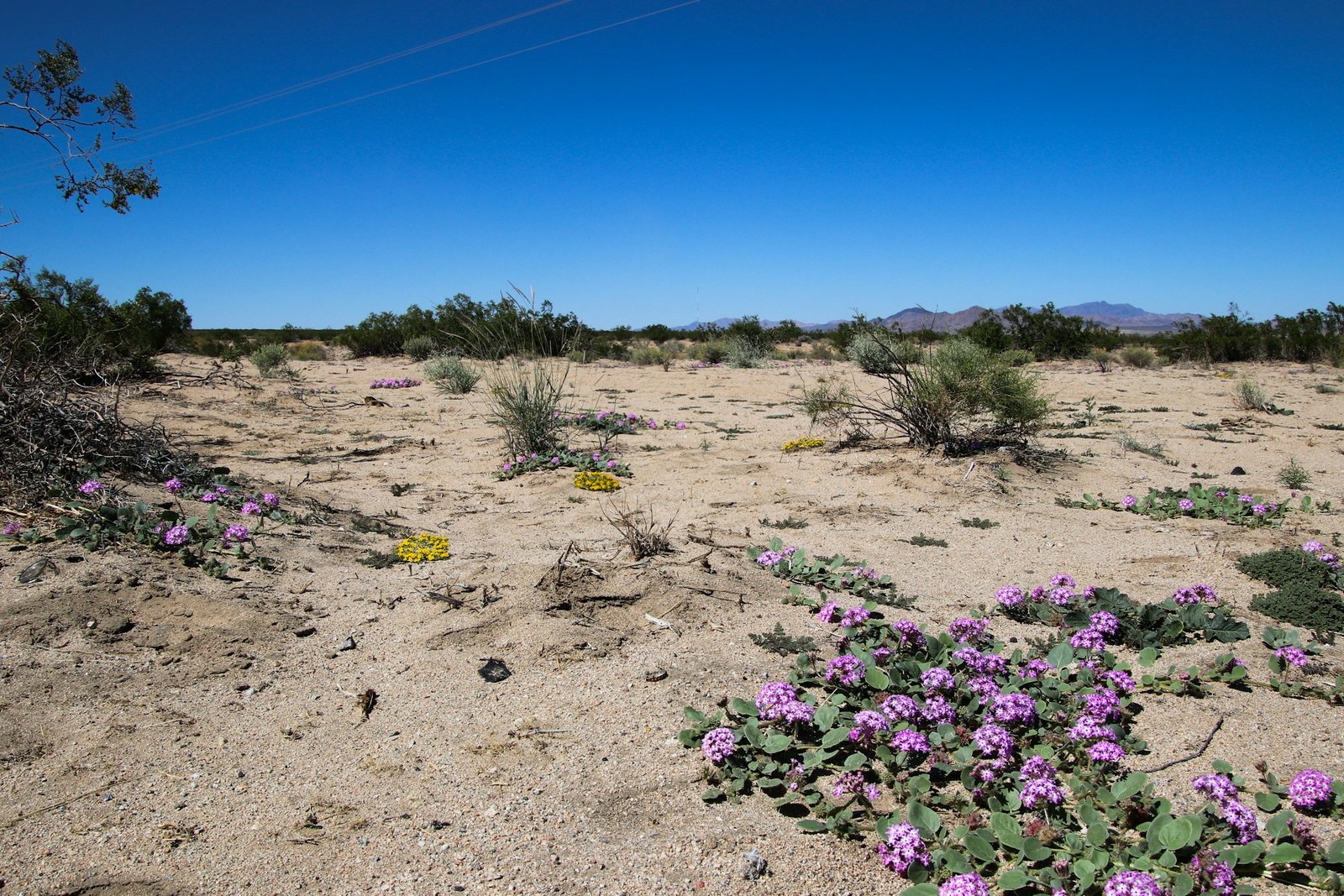
A herbarium is a collection of pressed plants, filed and labelled so that botanists can compare them. Flora Incognita, made in 2026, borrows that form and fills it with something else. It consists of 3D-printed sculptures of hybrid desert plants, steel cabinets to hold them, and graphite drawings. The plants are imagined, but the apparatus around them is real: drawers, labels, a system of classification.
That system is the subject. According to Arab News and Ithra, the work examines how botanical classification systems shaped, and distorted, knowledge of the Gulf. Classification is a way of making unfamiliar land readable, and a record can fix a place in the wrong light as easily as in the right one. By inventing plants and filing them with the same care as real ones, AlYaqoub invites the viewer to ask who decides what a desert contains.
The choice of materials adds to the argument. A pressed plant is a record made by hand and kept on paper, while a 3D-printed sculpture is made from a digital file and can be repeated without limit. Placing the new technique inside steel cabinets, beside graphite drawings, sets two ways of recording the natural world against each other and leaves the viewer to compare them.
From architecture to art
AlYaqoub was born in Kuwait City in 1986, and she still lives and works there. She studied architecture before turning to art, and she took an MFA at the Pratt Institute in New York in 2015, according to the Diriyah Biennale Foundation. She describes herself as an artist, curator and author, and she founded Safat Studios, an artist-run initiative in Kuwait City.
The habits of an architect are visible in her work. Her practice deals with geographic identity, collective memory, colonial documents and alternative maps, and she makes it as sculpture, drawing, installation, video and text. Plans, maps and archives are her raw material. What she adds is a question about who drew them, and for whom.
A record that already spans the region
In 2018, AlYaqoub was co-winner of the first Art Jameel Commission, with Contrary Life. In 2021 she co-curated the Kuwait Pavilion at the 17th International Architecture Exhibition of La Biennale di Venezia, under the title Space Wars.
Her research presentation The Secret Lake, shown in 2024 as part of the Diriyah Biennale programme, grew out of a workshop she called "Desert as Method". It used satellite imagery to map a site at Al Uyaynah, on the edge of Riyadh. The Biennale's own programme text describes the workshop as challenging the view of the desert as barren land.
Her exhibitions include the 3rd Karachi Biennale in 2022, Edge of Arabia in London in 2013, and The Media Majlis at Northwestern University in Qatar in 2020. In Kuwait she has shown at the Sultan Gallery, the Contemporary Art Platform and the Museum of Modern Art. Her work is held in the collections of the Barjeel Art Foundation and Art Jameel.
The shortlist and the jury
The five shortlisted works went on show at Ithra in early August 2026, according to the centre's release dated 4 August. Besides AlYaqoub, the shortlist named Bady Dalloul from Syria, Heba Y. Amin from Egypt, Ala Younis from Jordan and Jawad Al Malhi from Palestine. It was a regional field in the plainest sense: five artists, five countries.
The jury was made up of Farah Abushullaih of Ithra, Tarek Abou El Fetouh, Nada Shabout, Jérôme Sans and Nadia Kaabi-Linke, who won the fourth Ithra Art Prize. Abushullaih said, in remarks carried by Arab News, that this year's selection reflected a profound intellectual rigour and creative boldness.
Why the win matters in the Gulf
A Kuwaiti artist, based in Kuwait, has won a prize presented in Saudi Arabia for a work about desert plants and the language used to describe them. The combination says something about where Gulf art is looking. Rather than treating the desert as empty ground to be admired from a distance, AlYaqoub treats it as a subject with a documented history, one that can be read, questioned and, where needed, corrected.
The prize money will give her room to continue that work, and the permanent place in Ithra's collection means Flora Incognita will stay in the region it describes. For visitors to Dhahran, it will offer a different way to look at the desert flora outside the gallery walls: as living things, and also as entries in an archive that someone, at some point, chose to write.
Sources: Arab News, Ithra, Aramco Life, Diriyah Biennale Foundation, SWANA Chronicles