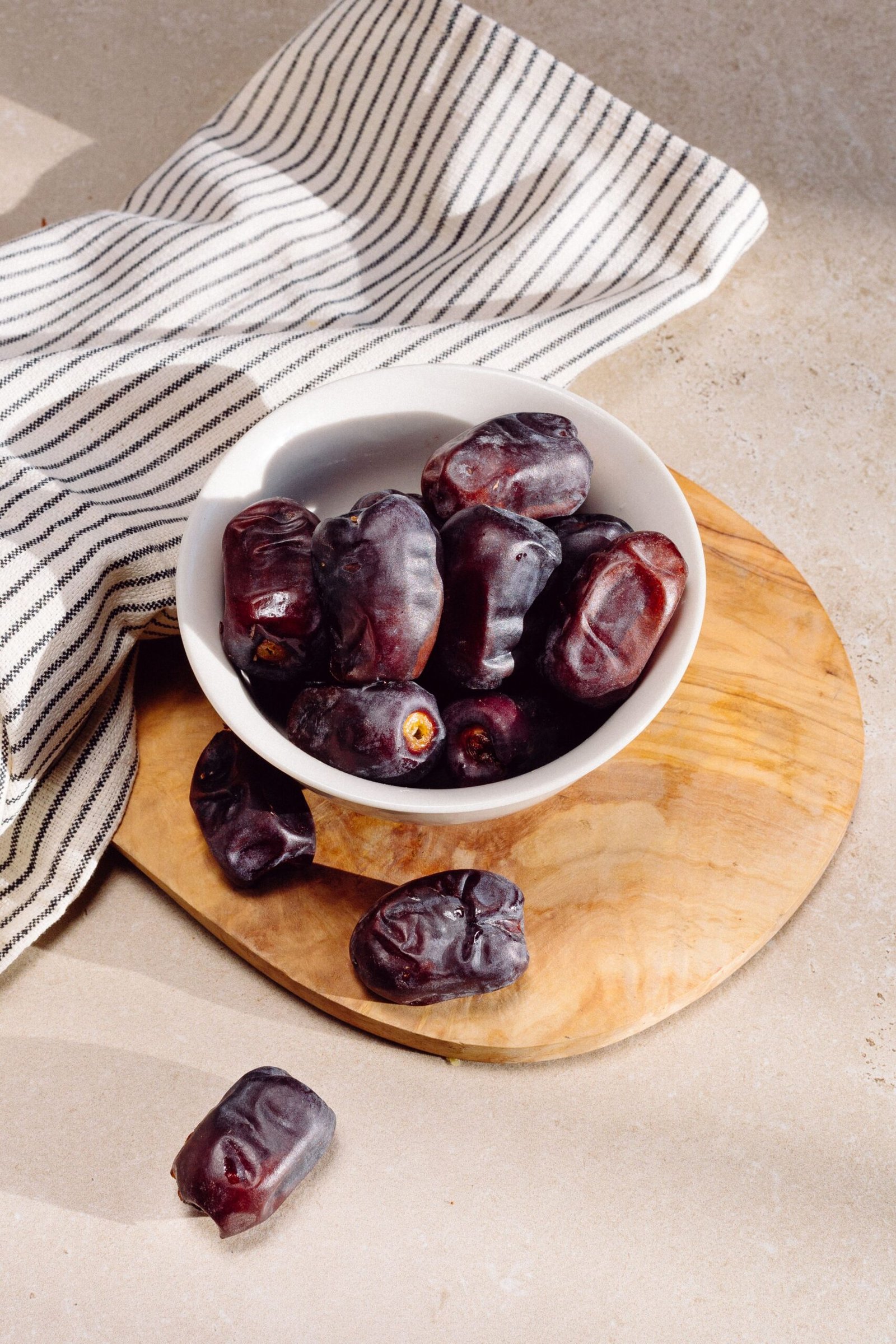
A Dubai skincare label built on dates, black seed and bakhoor is taking its range into Saudi Arabia, and it is not alone in building a brand around what grows or is traditionally used in the region. Emirati and Moroccan labels are putting native ingredients at the centre of the shelf, and this guide sets out who uses what, and what it costs.
It describes ingredients and prices only. The brands' own wording about effects on skin is left to the brands, and readers who want to know whether a product suits them should read the ingredient list and test it first.
AÏZA: dates, black seed and bakhoor
AÏZA is a skincare and haircare brand from the Dubai company Amaani. Its ingredients include dates, black seed, frankincense, rose and bakhoor, and its formulations are developed in laboratories in Korea, Japan and Italy. The hero products are the Sukkar Rush lip treatment, the Scent Storm hair mist and the Date Setter brow and lash serum.
In the UAE it is sold at aiza.co, Ounass and Ulta Beauty. It was due to open at Ulta Beauty in Jeddah's Red Sea Mall and in Riyadh Park in Riyadh at the end of September 2026. Amaani recently raised a $5 million Series A led by BECO Capital, with Homegrown Ventures and Peak XV's Surge, taking its total funding to $8 million. Amaani was founded in Dubai in 2023 by Shubham Poddar, and AÏZA launched in December 2024. According to Wamda, Kuwait and Qatar are expected to follow Saudi Arabia in the fourth quarter, and the brand describes itself as digital-first. The sources reviewed for this guide do not list AÏZA prices.
The Emirati labels
MARIAM EM is an Abu Dhabi label built around Sidr, the tree native to the region. Its founder, Mariam Almazourei, calls the Sidr tree the brand's hero ingredient. The brand is self-funded and publishes full ingredient lists. Its Eyelash & Brow Serum is listed at Dhs195 in Grazia Middle East's Emirati Women's Day guide, and Grazia Middle East's September rundown describes the range as covering skincare, lash, brow and hair, all built around Sidr. A&E Magazine reported in May that the founder rejects the "clean beauty" label and says that every product has a purpose rather than being part of a ten-step routine.
De L'Arta is a beauty maison named after the Arta, a desert tree native to the UAE. Its [Tq] Face Mask is listed at Dhs110 in the same guide, with black seed oil, almond and argan oils, aloe vera and shea butter among its ingredients.
The Moroccan houses
Grazia Middle East profiles five Moroccan labels. The piece is the only source for this section, so what follows is what it states, and it is worth checking each brand's own website for ranges, prices and retailers.
- marocMaroc, founded in 2007: argan oil and roses.
- Zawina Morocco: products built around the hammam ritual.
- Izil: Aker Fassi and Moroccan green tea. Nora Fatehi is its first global ambassador.
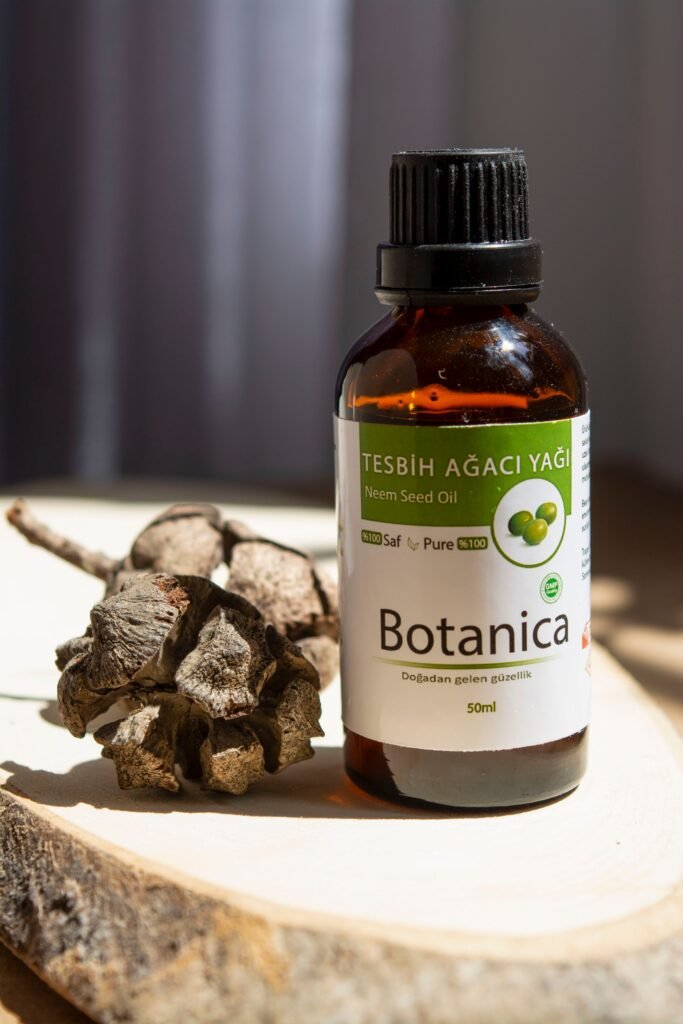
- Hendiya: prickly pear seed oil, argan oil and orange blossom water, made with local artisans.
- Mahal Morocco: Aker Fassi, sidr powder and rhassoul.
Together they suggest that ingredients Moroccan households have long used, from argan oil to rhassoul, are being given a brand story of their own.
Rituals at home
Several of these brands draw on habits that began in the home. A young Emirati interviewed by Gulf News said that her mother mixes sidr with rice water and coffee grounds as a hair-care ritual, an example of the kind of ritual that brands now package. Sidr leaf and honey have long been part of home rituals in the Gulf and the wider Arab world, while argan and rhassoul are traditional in the Moroccan hammam.
Ingredient names in Arabic
When you read a label or search a shop's website, these are the Arabic names:
- Sidr: سدر
- Black seed: حبة البركة
- Frankincense: لبان
- Bakhoor: بخور
- Dates: تمر
- Rose: ورد
- Argan: أرغان
- Rhassoul: غاسول
What to check before buying
- The ingredient list. MARIAM EM says it publishes full lists, which makes comparison easy. Look for the same transparency elsewhere.
- The price. The two Emirati products with printed prices are Dhs110 (De L'Arta mask) and Dhs195 (MARIAM EM serum).
- Where it is sold. AÏZA is available in the UAE through aiza.co, Ounass and Ulta Beauty and is moving into Saudi Arabia. For the Moroccan houses, confirm retailers directly.
- A small test first. Whatever the brand, the sensible habit with any new product is to try a small amount before using it widely.
- Who made it, and where. AÏZA says its formulations are developed in laboratories in Korea, Japan and Italy, while the ingredients are drawn from the region. Both facts can be true at once, and both are worth knowing.
The labels differ in size and approach, but they share one habit: they name the ingredient on the front of the shelf.
Sources: Wamda, YourStory, Grazia Middle East, Grazia Middle East, A&E Magazine, Gulf News