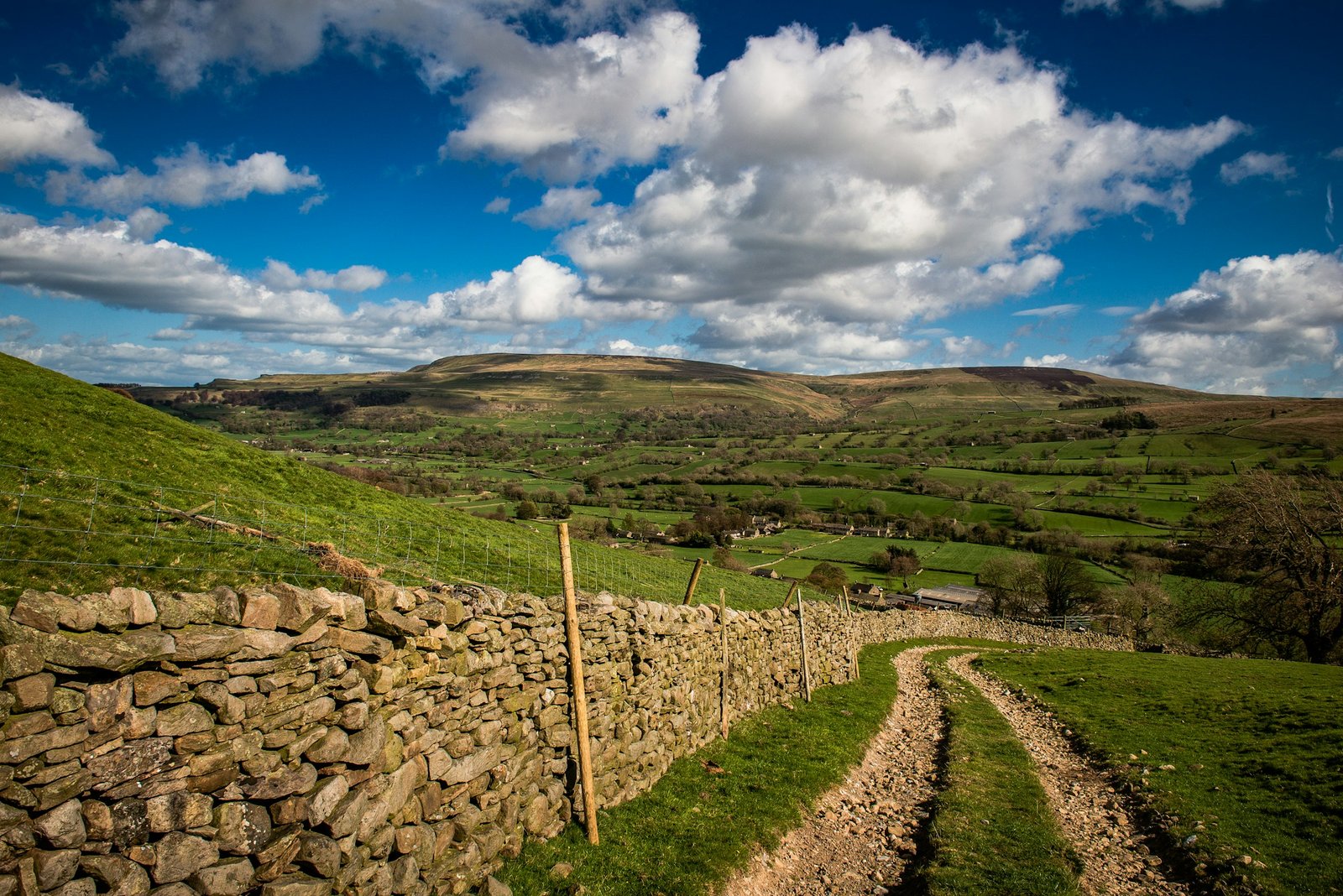
Andy Goldsworthy has been named the sculpture laureate of the 2026 Praemium Imperiale. The Japan Art Association announced the award on 8 September 2026. The prize is ¥15 million, about £71,000 according to Ocula, and the ceremony is scheduled to take place in Tokyo on 28 October. It recognises a British artist who, for five decades, has made work from the materials he finds where he is standing.
The Praemium has been given since 1989. Laureates are chosen from nominations by six international advisers to the Japan Art Association. Ocula describes Goldsworthy’s practice as an examination of people’s relationship with the land, through works that are sometimes permanent and sometimes ephemeral.
From farm to art school
Goldsworthy was born on 25 July 1956 in Cheshire and grew up on the Harrogate side of Leeds. He worked as a farm labourer from the age of 13. It is a background that sits naturally with an artist who spends his working life outdoors, handling stone and soil.
He studied fine art at Bradford College of Art in 1974 and 1975, then at Preston Polytechnic, where he took his BA between 1975 and 1978. In 1985 he moved to Scotland, to Langholm, and since 1986 he has lived in Penpont, in Dumfriesshire.
What he makes
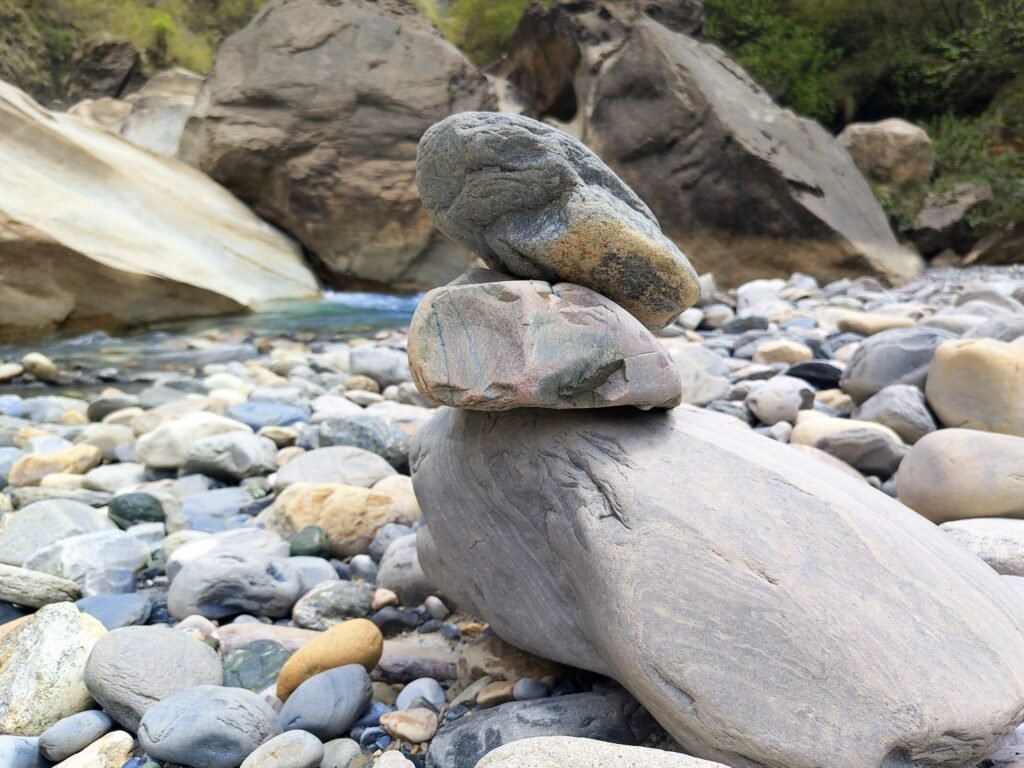
Goldsworthy works with flowers, leaves, mud, pinecones, snow, stone, twigs and thorns, and also with ice. Many of his works are small, temporary and made by hand on site. Photography is central to the practice, because it is often the only lasting record of a piece that the tide, the wind or the thaw will remove.
That is the core of his idea. A work can be built to last for centuries, like a stone wall, or it can disappear within the hour. Both belong to the same enquiry, which asks what a person can make from a place without taking anything away from it.
Among the larger works are Sheepfolds in Cumbria, made between 1996 and 2003, and Storm King Wall at the Storm King Art Center in New York. Stone River at Stanford came in 2001. Roof was made for the National Gallery of Art in Washington in 2005, and Drawn Stone for the de Young Museum in San Francisco the same year. Hanging Trees was shown at the Yorkshire Sculpture Park in 2007 and 2008, and Refuges d’Art is a hiking route in Provence, dated 2009.
Hanging Stones
Ocula singles out Hanging Stones, a walking route of about 10 km through North Yorkshire. It links 10 formerly derelict houses that Goldsworthy rebuilt as artworks. He describes it as the most important work of his life.
The project shows how his concerns have grown. The same attention that he gives to a single arrangement of leaves is applied here to ruined houses and the landscape between them. A walker moves from one house to the next, and the experience of the route becomes part of the work. It is a form of slow travel, in which the piece can only be seen at the pace of the landscape that holds it.
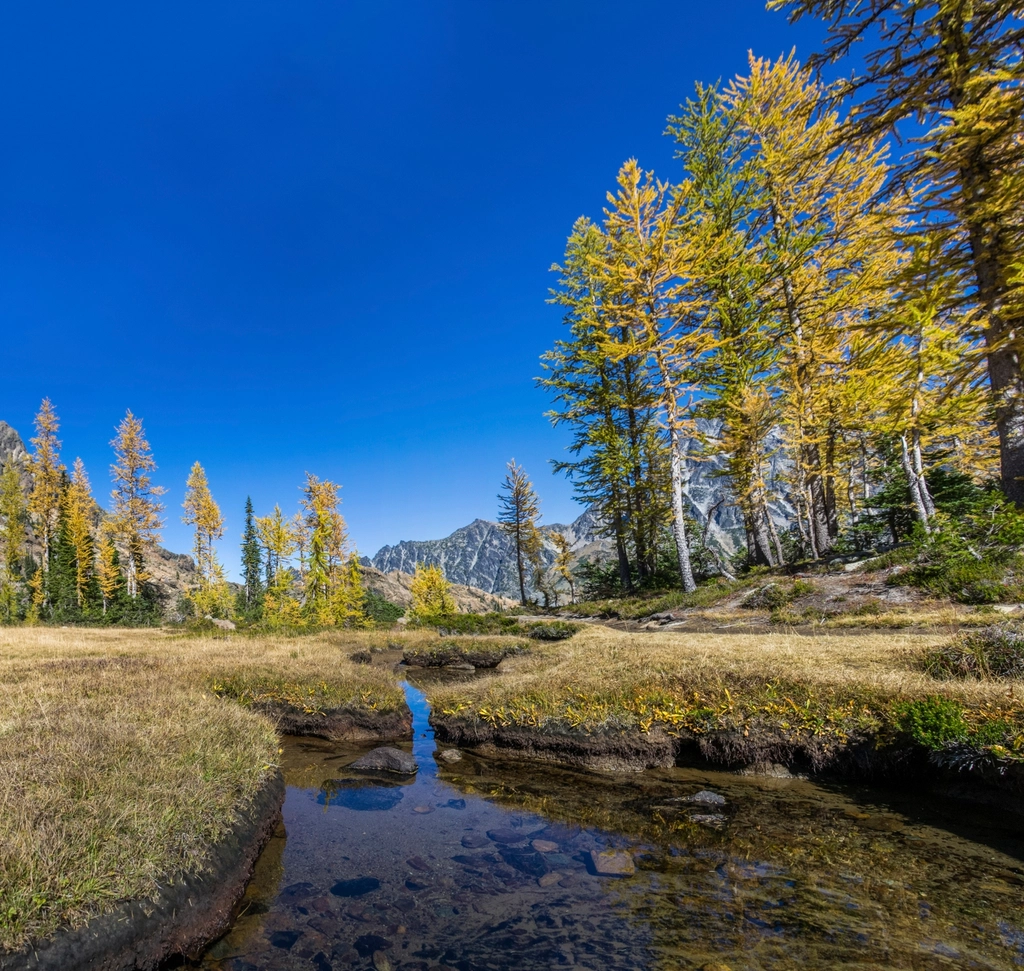
The announcement named Goldsworthy alongside Jenny Holzer in painting, Herbert Blomstedt in music, Daniel Libeskind in architecture and Cate Blanchett in theatre and film. His own work is most often found outdoors, in fields, rivers and woods rather than in galleries.
Seen on film
Two documentaries by Thomas Riedelsheimer follow his work: Rivers and Tides, from 2001, and Leaning into the Wind. They gave a wider audience a view of how he works, outdoors and in all weather, with his hands.
His honours include an OBE in 2000, and from 2000 to 2008 he was A.D. White Professor-at-Large at Cornell University.
In his own account
In a video recorded for the Praemium, Goldsworthy said, as Ocula reports, that art allows routes into the world that a person was previously blind to. The comment is brief, but it gives the logic of the whole practice. A work in leaves or ice is a way of looking harder at something, and the object that results is a record of that attention.
Why it matters
Goldsworthy’s influence lies in how widely his method has spread. A stone arranged by hand into a wall or a spiral, a line of thorns on a path, a ring of leaves floating on a pond: these are now familiar images, and many people who have never heard his name have seen something like them.
For readers in the Gulf, there is no Goldsworthy work in the Arab world in the sources reviewed for this profile. The connection is one of method. Readers who know the stone architecture of old settlements in the region will recognise the logic of building with what the ground provides, and the growing interest in land and desert sites across the Gulf gives his approach a natural audience.
The next date is 28 October in Tokyo. The prize will not change how Goldsworthy works. He will go on, as he has for five decades, to look at what a place offers and decide what can be made from it, and what the weather will do next.
Sources: Praemium Imperiale, Ocula, Wikipedia