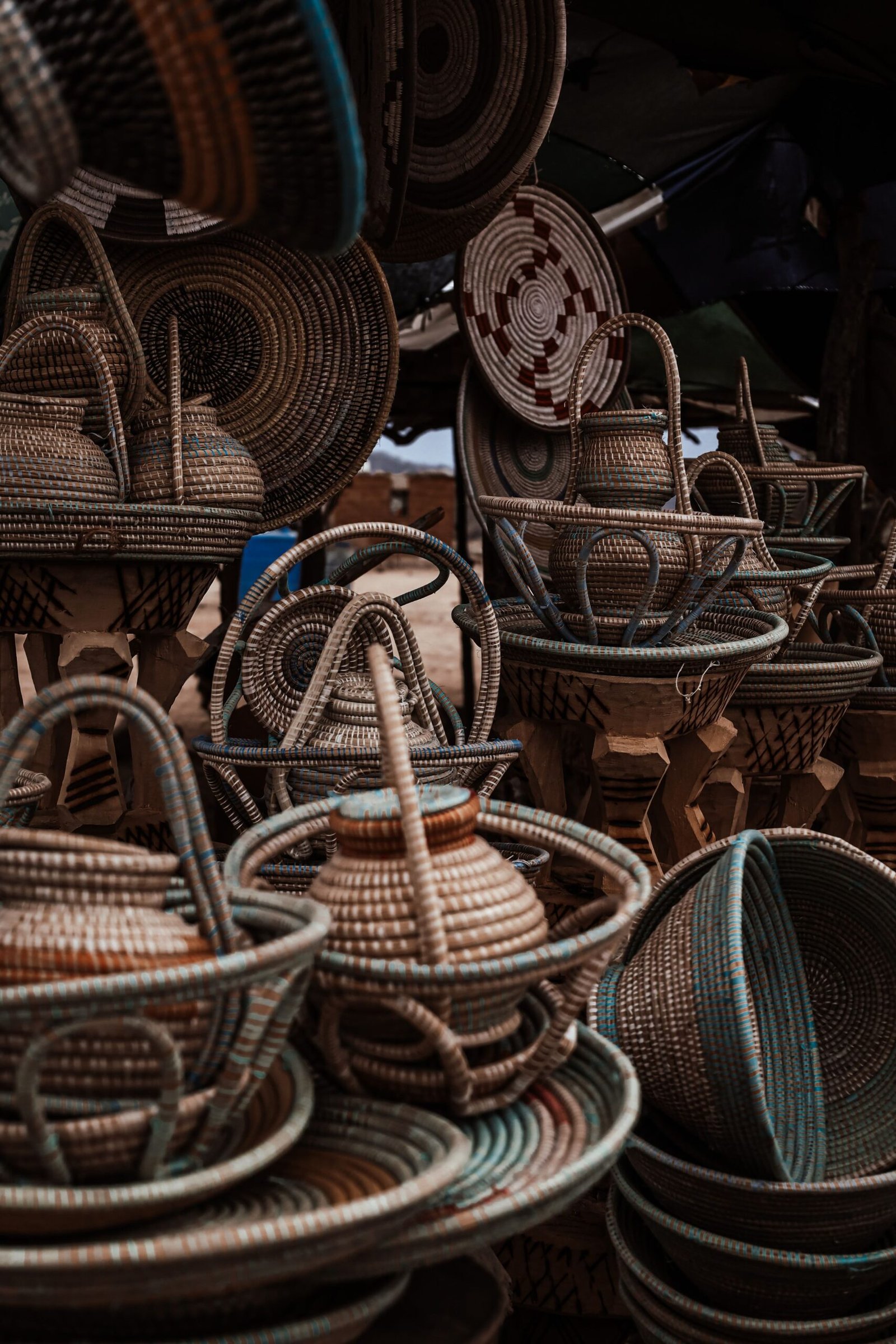
Qatar Museums has named the centrepiece of Design Doha 2026. Announcing the biennial’s exhibition programme on 31 August, it confirmed that Arab Design Now 2026, curated by the Bahraini architect and curator Noura Al Sayeh, will present 81 designers from 27 countries. The show brings together 78 newly commissioned works and 15 films, across more than 15 disciplines. The design magazine IFDM lists it at M7 in Doha from 5 November, as part of M7’s wider programme on contemporary regional design.
Arab Design Now is the headline exhibition of a much larger event. Design Doha 2026 runs until 31 January 2027 and involves more than 100 designers and studios from the Middle East, North Africa and South Asia, a region known by the acronym MENASA, as well as from their diasporas. Glenn Adamson, the biennial’s artistic director, said in the announcement that “Design Doha 2026 expands both the biennial’s scope and international reach.”
The figure that stands out is the number of commissions. Many surveys gather work that already exists. Here, 78 pieces have been made for the exhibition, so visitors will see not only what Arab designers have done before, but what they make when invited to produce something new for the same show.
A curator from the Gulf
Noura Al Sayeh is an architect and curator from Bahrain whose work has included the kingdom’s cultural programmes and its national pavilions. Her appointment means that a survey of this breadth, staged by a Gulf institution, is also shaped by a curator from the Gulf.
The clearest guide to her thinking, for now, is the structure of the show. Its commissions and films are arranged around five themes, and together they sketch a broad idea of what design can be: furniture and objects, certainly, but also land, industry, work and movement.
Five themes, from ornament to migration
The first theme, Narration and Ornamentation, begins with one of the oldest strengths of design in the Arab world. Geometric pattern and calligraphy have carried meaning across buildings, textiles and everyday objects for centuries, and pairing ornament with narration presents decoration as a way of telling stories.
Land and Agrarian Practices turns to the ground itself: farming, growing and the knowledge that comes from working the land. Landscapes of Production and Extraction, as its title suggests, looks at the places where raw materials are taken from the earth and turned into goods, the part of design that usually stays out of sight.
Crafts, Technology, and Community puts hand-making and new tools in the same frame, alongside the communities that keep both alive. The programme’s craft partners point the same way. They include Turquoise Mountain, a charity that works with traditional artisans, and the Irthi Contemporary Crafts Council, based in Sharjah.
Belonging and Migrating closes the sequence. Its title points to designers whose work has been shaped by moving between places, and to the question of what makes design feel like home. The biennial builds that reach into its own structure, taking in designers from the region’s diasporas as well as from the region itself.
A prize and a book
Alongside the exhibition, the Design Doha Prize is due to name its winners on 7 November, according to Gulf Times. It has four categories: Craft, Product Design, Furniture Design and Emerging Talent. A 24-member jury headed by the architect and designer India Mahdavi will choose the winners, who will share QAR 800,000.
The prize and the survey do different jobs. One singles out individual achievements in clearly defined fields. The other sets dozens of practices side by side and asks what they have in common.
Qatar Museums also plans a dedicated bilingual publication on Arab Design Now 2026. Exhibitions close, but books remain, and a volume of this kind should give the new commissions a life well beyond their months in Doha.
What the show says about Arab design
Read together, the five themes describe a field that has moved well beyond the polished object. Ornament still has its place, but it shares the stage with farming, extraction, community and migration. More than 15 disciplines are represented, and film sits beside furniture.
The show also says something about the Gulf’s role. A Qatari institution is commissioning new work from across the Arab world and beyond, with a Bahraini curator and a Sharjah craft council among those involved. Doha is hosting Arab design and, through these commissions, helping to produce it.
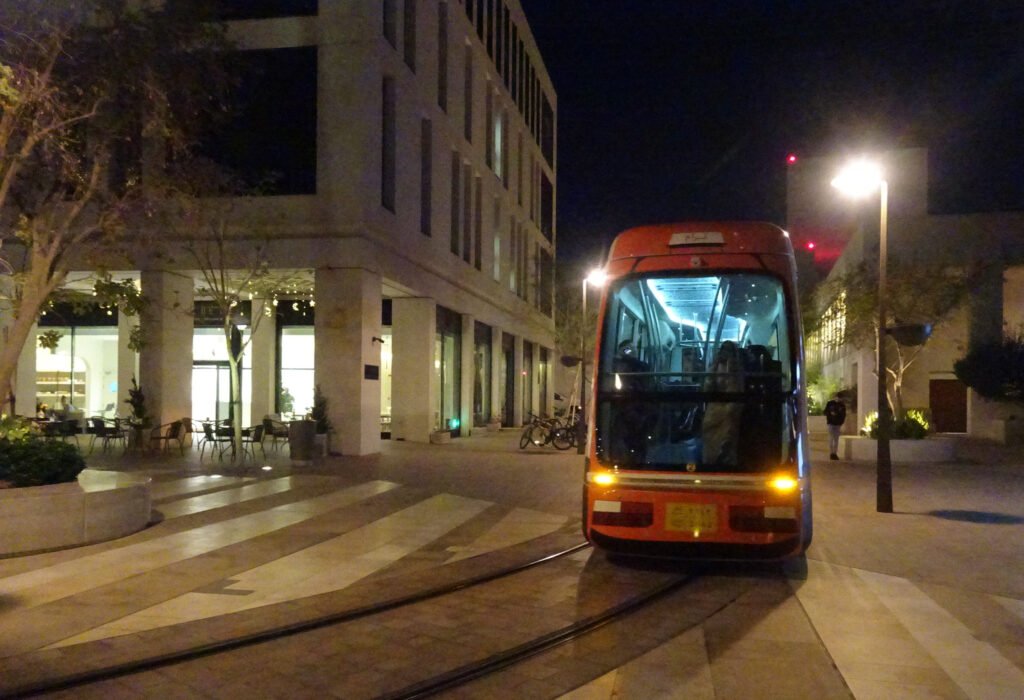
M7, Qatar Museums’ creative hub for design, fashion and innovation, sits in Msheireb Downtown Doha. The exhibition is scheduled to open there on 5 November, with the prize winners due two days later and the wider biennial continuing until the end of January.
Until then, the programme is the story. A survey this wide is less a verdict on Arab design than a map of where it is going.
Sources: Qatar News Agency, Gulf Times, IFDM