A mechanical watch is one of the few machines most of us own that can, with care, outlive us. Inside it, a spring stores energy, a train of wheels passes it along, and a balance wheel swings back and forth several times a second, dividing time into equal parts. There are no batteries and, if it is looked after, no reason for it ever to stop for good.
A mechanical watch is not fragile. It is simply a machine, and machines like to be understood. Here is what that means in practice.
Service it, but not too often
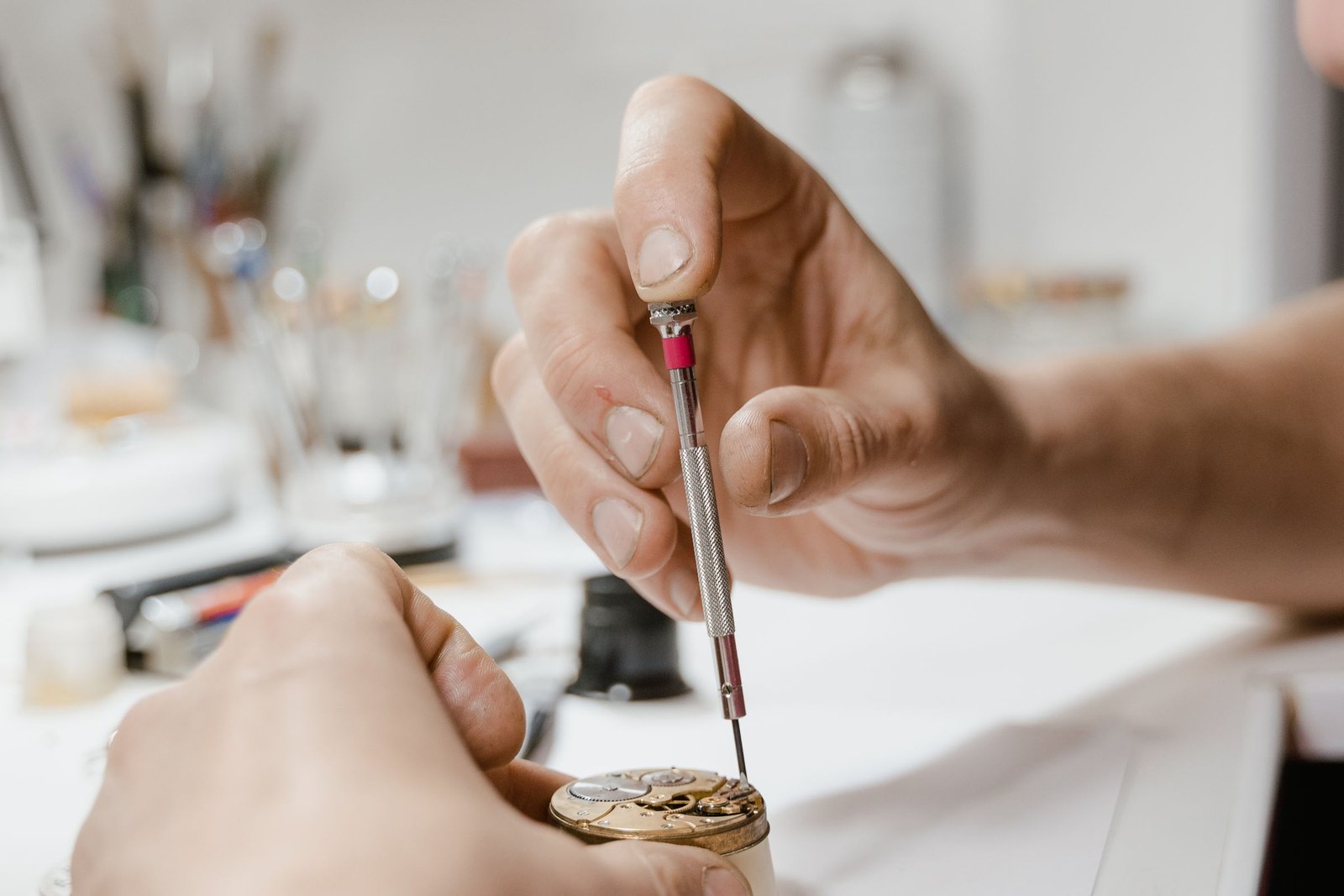
The oils inside a movement slowly thicken and dry, and parts wear. A service involves taking the movement apart completely, cleaning every part, replacing worn components and seals, relubricating and adjusting it. It takes a skilled watchmaker several hours.
Most makers now suggest a service every five to ten years, depending on the movement and how the watch is worn. Older watches, or those worn hard, may need attention sooner. The signs are easy to read: the watch gains or loses noticeably more time than it used to, the power reserve shortens, or the winding feels rough.
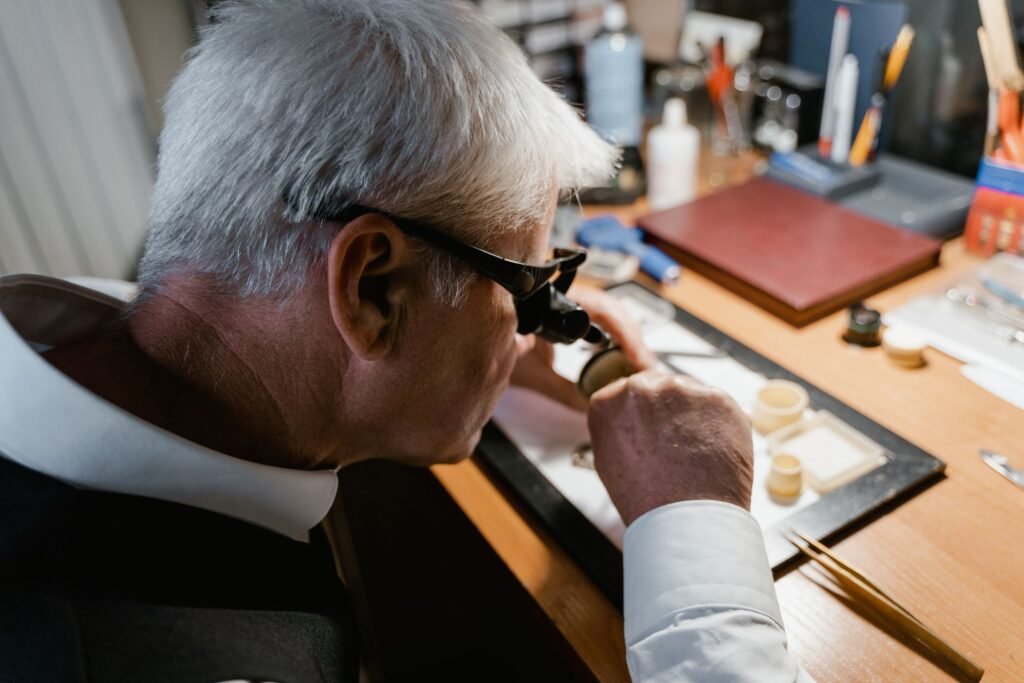
Use the maker's own service centre or a watchmaker you trust, and ask them to keep original parts where possible. On a vintage watch especially, original hands, dials and bezels matter enormously, and a careless service can replace them without asking.
Understand water resistance
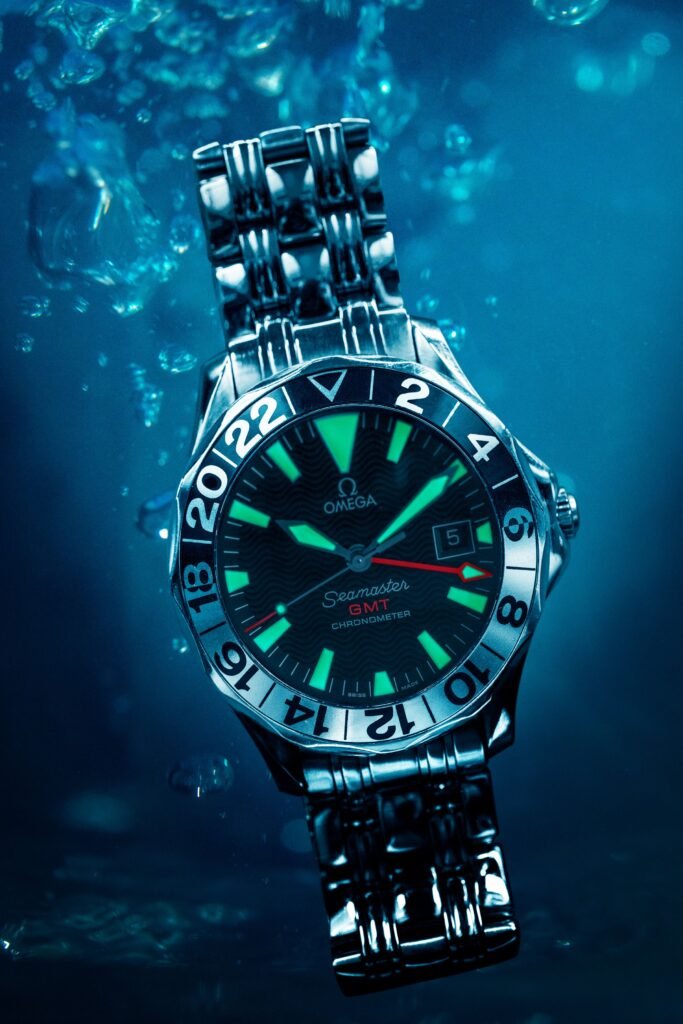
The figure on a dial is not a promise about depth. It is a pressure rating from a test in a laboratory, and it means less in real life than it seems. As a rough guide, a watch marked 30 metres will survive splashes and rain. Fifty metres is fine for a quick swim. For regular swimming, 100 metres is the sensible minimum, and for diving you want a proper dive watch rated to 200 metres or more, ideally with a screw-down crown.
Whatever the rating, three rules help. Make sure a screw-down crown is fully screwed in before the watch goes near water. Never press chronograph pushers underwater unless the maker says you can. And have the seals checked, ideally once a year if you swim often, because rubber gaskets age, especially in heat.
Respect the heat
In the Gulf, heat is the hidden enemy. A watch left on a car dashboard in July can reach temperatures that thin its oils and age its gaskets quickly. Leave it in the glovebox, or better, on your wrist.
The bigger risk is sudden change. Jumping into a cool pool or the sea after hours on hot sand puts real stress on seals, and a sudden drop in temperature can draw a little moisture in. If you see fog inside the crystal, take the watch to a watchmaker promptly, because moisture inside causes rust.
Keep sand and salt away
Fine sand gets everywhere: into rotating bezels, between bracelet links and around pushers and crowns. After a day at the beach or in the desert, rinse a water-resistant watch gently in fresh water with the crown screwed down, turn the bezel while rinsing to flush out grains, and dry it with a soft cloth. Salt water left to dry on a bracelet is corrosive over time.
For a watch that is not water-resistant, a soft brush and a dry cloth are enough.
Beware of magnets
Magnetism is now the most common reason a healthy mechanical watch suddenly runs fast. The balance spring, a hair-thin coil, can become magnetised and stick to itself, and the watch may gain minutes a day.
The sources are everywhere: speakers, tablet covers, laptop lids, the clasps on handbags, induction hobs, and even some phone cases. Avoid resting a watch directly on them. If your watch suddenly starts running very fast, a watchmaker can demagnetise it in a few seconds with a simple device. Many modern watches are now built with anti-magnetic parts, which helps a great deal.
Wind it properly
A manual-wind watch should be wound by hand, ideally once a day at the same time, turning the crown gently until you feel resistance. You cannot overwind a modern watch in normal use; the resistance is the signal to stop. Wind it off the wrist, so you do not put sideways pressure on the crown.
An automatic watch winds itself as you move. If you wear it daily, it needs nothing more. If it has stopped, give the crown twenty or thirty turns to start it, then set the time. Watch winders, the boxes that keep automatic watches turning, are useful for watches with complicated calendars that are tedious to reset, but they are not essential for simpler watches.
Store it sensibly
Keep watches you are not wearing away from direct sunlight, which fades dials and straps, and away from extreme heat and humidity. A box with separate compartments stops watches scratching each other. Leather straps last longer if they can breathe and dry between wearings, so rotate them in summer.
Handle it gently
Take the watch off before heavy work, golf or tennis, which subject it to sharp shocks. Change the date only outside the hours around midnight when the mechanism is engaged. Set the time by moving the hands forwards rather than backwards where possible. And if you ever drop a watch and it starts behaving strangely, have it looked at rather than waiting.
None of this is difficult. It is the kind of care any good machine deserves, and a watch repays it more generously than most. Look after it, and the watch you buy today can be the one your children wear.