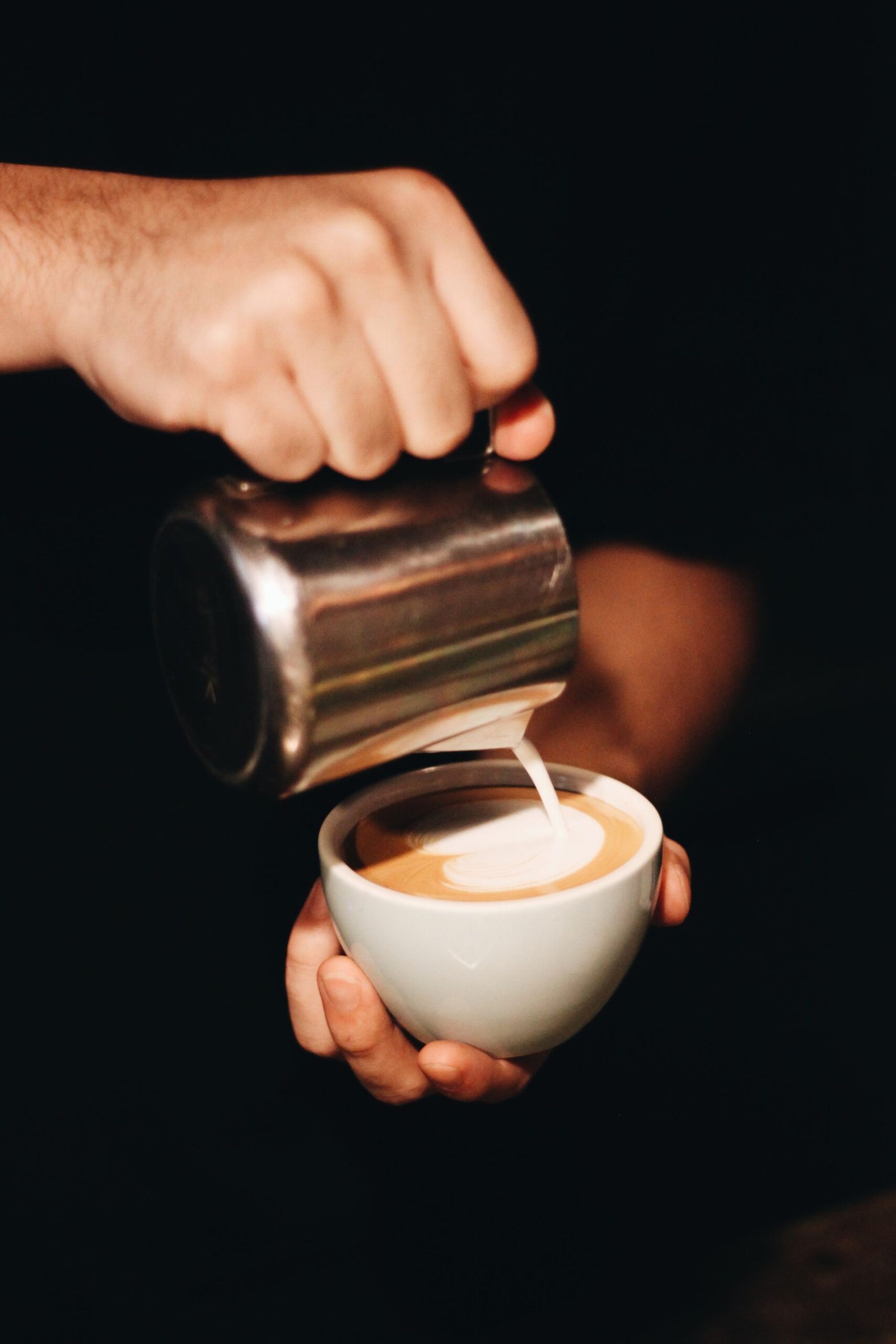
Oman's specialty coffee scene has grown up quickly. The HORECA Oman barista championship gained official status from the Specialty Coffee Association (SCA) in 2026, Oman now trains its own competition judges, and more women are entering barista and roasting roles. That is the picture drawn by an analysis published by Hospitality News ME on 29 September, based on the HORECA Talks programme at HORECA Oman.
It is a Gulf coffee story that sits beyond the familiar Dubai and Riyadh scenes. One note on sourcing: Hospitality News ME is published by Hospitality Services, which organises HORECA Oman, so the Oman Observer's report on the show supplies the independent detail about the event.
What changed in 2026
HORECA Oman 2026 ran from 14 to 16 September at the Oman Convention and Exhibition Centre in Muscat. According to the Oman Observer, its programme included the HORECA Barista Competition Oman and a Latte Art Competition. The barista championship's new SCA status is the headline: it means the contest now sits inside the framework of the global association that sets standards for specialty coffee.
For a market still building its reputation, it is a sign that the competition is run to an international standard.
The sources do not name the 2026 barista champion, so the result itself is not reported here.
Judges who are Omani
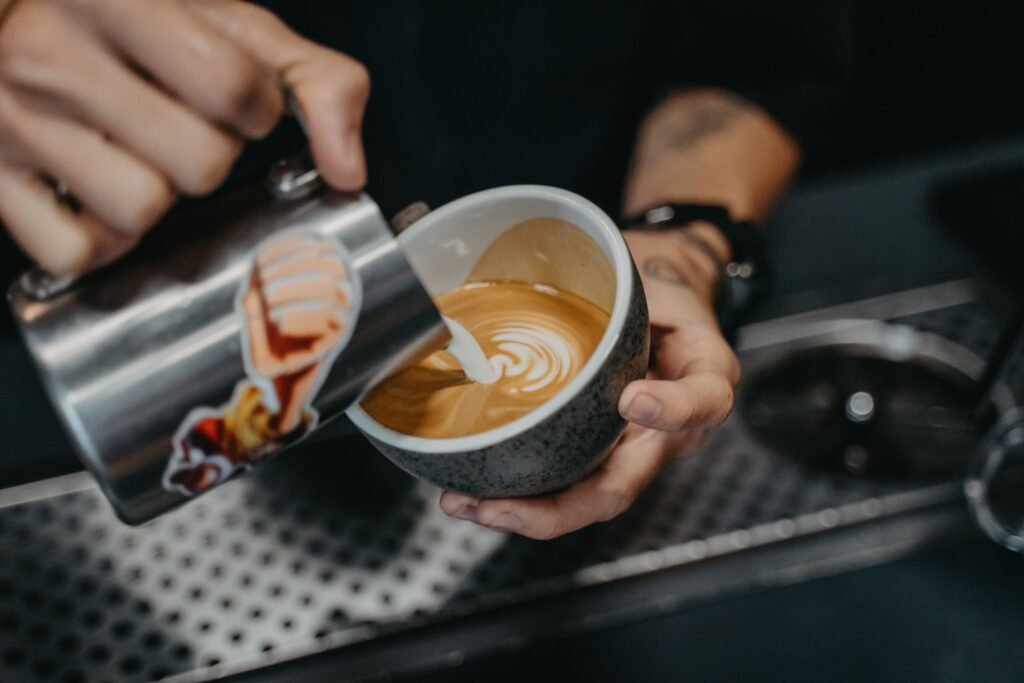
Oman now trains its own competition judges, who were previously brought in from abroad. That detail says as much about the scene's depth as any award. Judging a barista contest requires deep knowledge of extraction, taste and technique, and a country that can supply its own judges has a body of people who know the craft well enough to assess it.
Lauro Fioretti of World Coffee Competitions told the HORECA Talks session that Oman's barista standards have improved sharply. He said the country reached in five years a level that took other markets 10 to 15 years, and that the improvement over those five years has been massive.
The session was moderated by Lisa Jerejian, communications manager at Hospitality Services.
More women at the roaster
More women are entering barista and roasting roles in Oman, according to the analysis. The report does not give numbers, and it does not name individuals, so the trend is described rather than counted.
Roasting is the stage that shapes a coffee's flavour, so a growing presence there is notable. It suggests that the industry is opening beyond the counter and into the production side, where decisions about the bean are made.
Customers who ask questions
Hamed Al Balushi, CEO of Jaleed and EL CAFE, said Omani consumers are increasingly curious about beans, grinders and the composition of water. He said the culture is changing and that people are starting to connect with what makes a coffee special.
The mention of water is telling. Coffee is mostly water, and specialty cafés pay attention to its mineral content because it affects the taste of the cup. Customers who ask about it are showing a closer interest in how the cup is made.
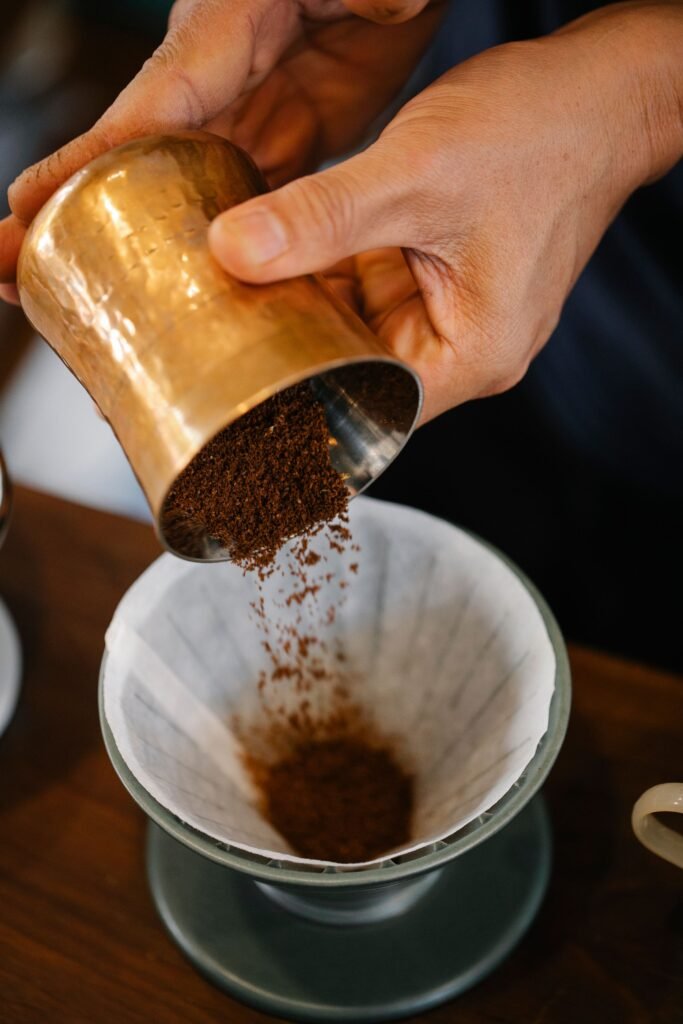
Mohammed Behlim, co-founder and CEO of Azura, emphasised roasting knowledge and direct relationships with suppliers. He said his company's passion comes from its roasting knowledge and the relationships it builds. Direct supplier relationships are a common aim in specialty coffee, because they let a roaster know where a bean was grown and who grew it.
Alongside a tradition
Oman already has a coffee tradition of its own. Omani qahwa, flavoured with cardamom and served with dates and halwa, is part of the Arabic coffee practice inscribed by UNESCO in 2015. The specialty scene does not replace it; it adds a second way of drinking coffee in a country where the first is still part of every welcome.
That coexistence is one reason the story is interesting, and it explains why the changes described by the HORECA Talks speakers read as an addition rather than a break. Muscat's cafés are not turning away from the cardamom pot; they are giving customers a second set of questions to ask about what they drink. The pot on the majlis tray and the pour-over in a Muscat café serve different moments, and both belong to a single coffee culture.
What comes next
The ingredients for growth are visible: an official competition, local judges, more women in production and customers who are curious. What the sources do not say is how many specialty cafés or roasters operate in Oman, so the scene's size is hard to measure from this material.
The competitions at the next HORECA Oman will give the next measure of progress. Oman's coffee story used to be told through the cardamom pot; now it is also told through the grinder.
Sources: Hospitality News ME, Oman Observer