
In any first-class lounge, one suitcase stands out before its owner does. RIMOWA has turned a piece of luggage into a signature, with its grooved aluminium shell and quiet sense of engineering.
For BYGEARS readers who travel often, it is worth asking what makes this German brand so enduring, and whether it still deserves its reputation.
In this article
How RIMOWA began
The company traces its roots to Cologne in 1898, when Paul Morszeck founded a luggage business. Its early trunks were made of wood and leather, like most luggage of the time.
The name comes from Richard Morszeck, the founder’s son, combining the first letters of his name with “Warenzeichen”, German for trademark: RI-MO-WA.
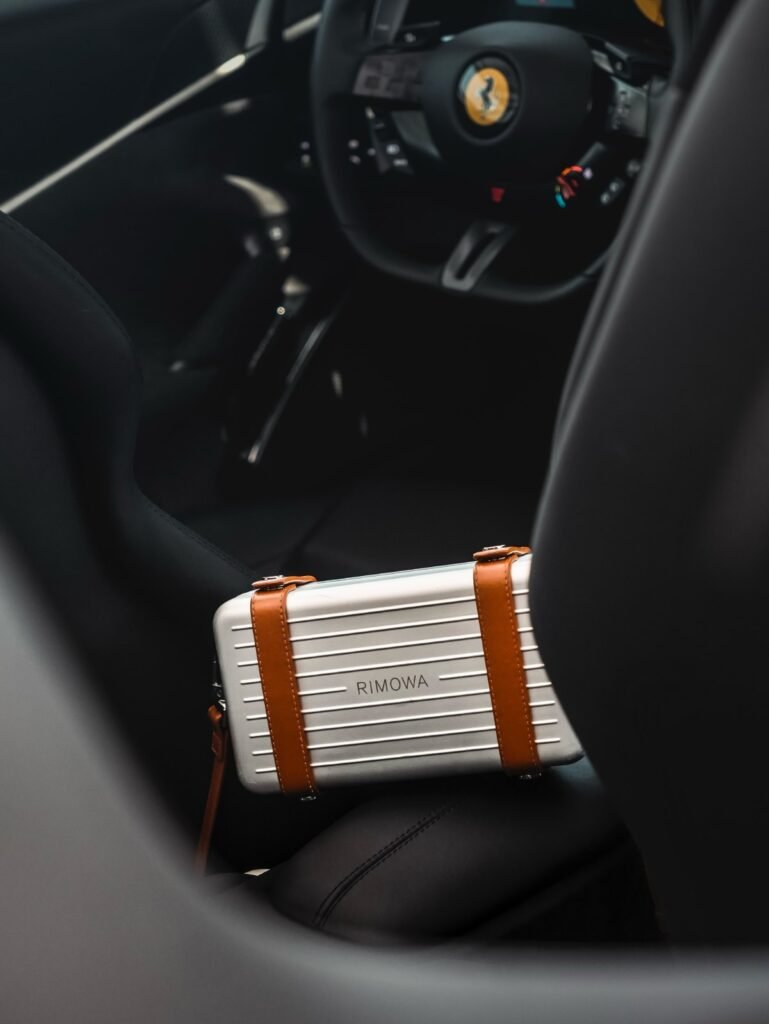
In the 1930s the company began working with lightweight aluminium. Its distinctive grooves were inspired by the corrugated metal of early aircraft, which used ribs to make thin metal stronger. That idea became the brand’s visual language.
The grooves that made RIMOWA famous
The parallel ribs are not decoration. They give the shell its rigidity, protecting what is inside while keeping the weight down. Over time, they also became a form of identity: you can recognise a the brand from across a terminal.
Aluminium cases dent and scratch with use, and owners have learned to love that. Each mark tells the story of a journey, and older cases are often prized for their patina.
From aluminium to polycarbonate
In 2000, the brand introduced polycarbonate luggage, a lighter material that keeps its shape after impact. The grooves remained, carried over from the aluminium line, so the design stayed instantly familiar.
Today the range includes aluminium, polycarbonate and hybrid collections, from compact cabin cases to large check-in pieces and trunks.
RIMOWA under LVMH
In 2016, the French luxury group LVMH acquired a majority stake in the company. Since then, the brand has expanded its boutiques, launched collaborations with fashion houses and artists, and positioned itself firmly as a luxury brand rather than a luggage maker.
Limited editions and partnerships have turned some cases into collectables, while the core models have stayed true to the original idea.
Five reasons RIMOWA still sets the standard
- Engineering: a German approach to build quality, wheels and handles.
- Design: the grooves are recognisable anywhere, yet never loud.
- Durability: aluminium cases are built to be repaired and used for years.
- Service: a global repair network keeps cases on the road.
- Character: every dent becomes part of the story of the owner’s travels.
Caring for an aluminium case
Aluminium is tough, but it rewards a little care. Wipe the shell with a soft, damp cloth and avoid abrasive cleaners, which can dull the finish.
- Accept the dents: they are part of the character, and they do not weaken the case.
- Store the case upright and empty, away from damp.
- Check the wheels and handles after long trips, and use the brand’s repair service when needed.
- Use a cover on carousels if you want to keep a new case pristine for longer.
Many owners keep the same case for a decade or more. That longevity is part of what you pay for, and it makes the price easier to justify over time.
Choosing your first RIMOWA
Start with how you travel. Frequent flyers who travel light often begin with a cabin case. Those who want the classic look choose aluminium; those who want the lightest option choose polycarbonate.
Check airline cabin dimensions before you buy, as rules vary. And think about colour: silver aluminium shows wear proudly, while darker finishes stay discreet.
More than luggage, a the brand is a statement of craftsmanship, individuality and timeless style. As the saying goes, true luxury is not only about where you go, but how you travel.
More from BYGEARS: New Year’s Eve at The Mark: three nights in New York for $400,000