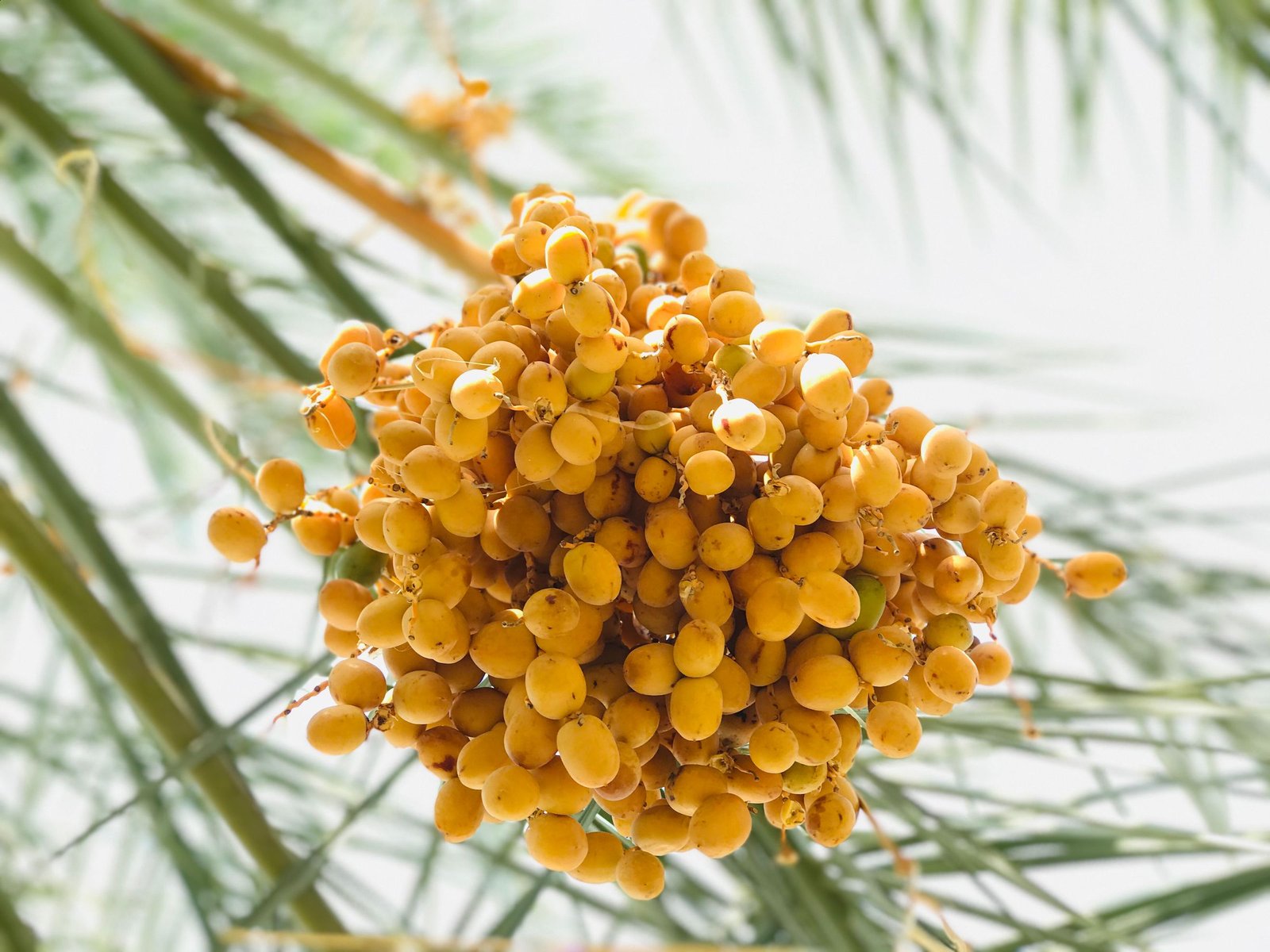
Late summer is date-harvest season in Saudi Arabia, and the centre of the trade is Qassim. The Buraidah International Dates Carnival, an annual event in the region, runs from 1 August to 14 October 2026, which means there are still several weeks left to visit. It had opened by 3 August.
Dates sit at the heart of Gulf hospitality, from the plate offered to a guest on arrival to the table that breaks the fast during Ramadan. The best of each harvest is traded here first. This guide covers what the carnival offers, the varieties to look for and the scale of the market behind them.
What is on
The carnival is held in Buraidah, the main city of Qassim. According to GCC Business News, its activities include a rural farm that showcases Qassim's agricultural heritage, along with cultural and community activities at the King Khalid Cultural Center.
Kuwait Times, citing the Kuwait News Agency, describes the carnival as a major marketplace for dates and a focal point for both wholesale and retail buyers during the harvest period. That mix is useful for a visitor: the same event serves farmers selling in bulk and families buying a few kilos to take home.
Practical details were not available when this guide was prepared. No opening hours, visitor figures or exact venue address were found in the sources read, so check with the organisers or local listings before travelling. The carnival's chief executive is Dr Khaled Al Nuqidan.
The varieties to look for
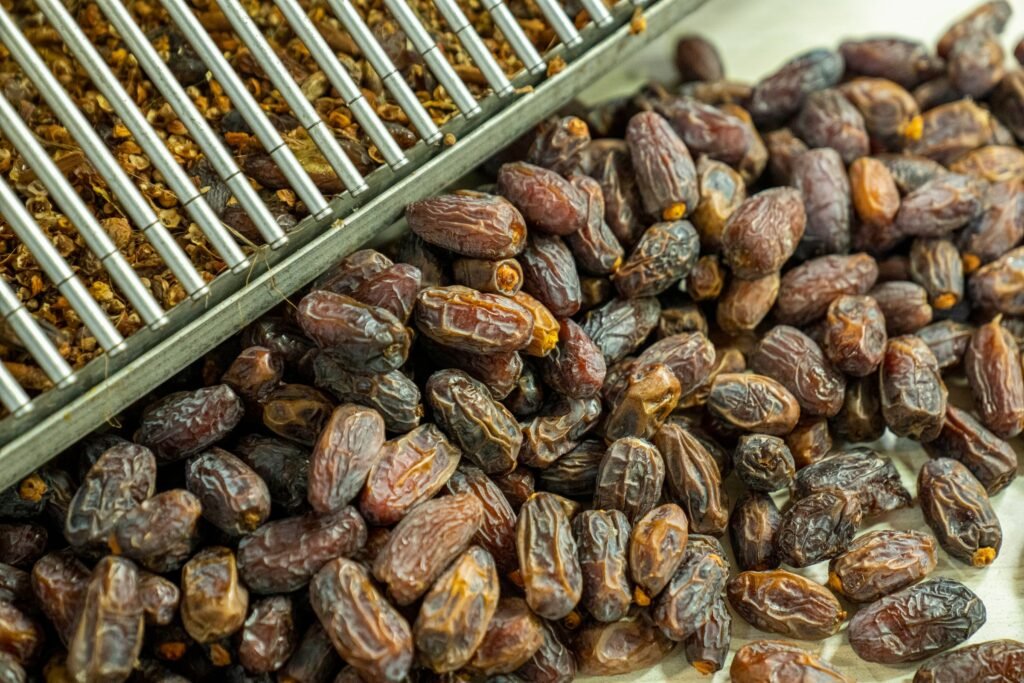
Kuwait Times lists the varieties traded at the carnival as Sukkari, Khalas, Sagai, Medjool and Barh. A short guide to the first of these helps the first-time buyer.
- Sukkari. The name means sugary, and it is Qassim's signature date: soft, golden and sweet. If you are buying one variety to take home from Buraidah, this is the one most closely tied to the region.
- Khalas, Sagai and Barh. These are the other names on the traders' lists, so ask the seller to describe each one.
- Medjool. The large, soft date that is well known beyond the Gulf and also appears on the list.
Tasting before buying is the most reliable way to choose, so ask at each stall, and buy in the quantity you expect to eat.
The scale of the trade
The numbers explain why Buraidah matters. According to GCC Business News, Qassim has more than 11 million palm trees and produces about 578,000 tonnes of dates a year. The carnival's estimated annual economic return is SAR 3.2 billion, about $855 million, and it is linked to more than 4,000 direct and indirect jobs.
Dr Al Nuqidan said the carnival has strengthened its global standing and contributed to enhancing the competitiveness of Saudi dates.
The event has a track record. Ajel reported that the 2024 carnival ran for 51 days from 1 August, with the National Center for Palms and Dates involved.
A note on Madinah
Madinah has its own season, built around different varieties. The Madinah Dates Season 2026 ran daily until 2 August, from 4pm to 10pm, in the Khairat Al-Madinah zone, with 28 pavilions. According to Al Riyadh Daily, the featured varieties were Ajwa, Safawi and Barni, and entry was free with advance booking on the Wafi platform.
That season has now closed, so it is a note for next year's calendar. Ajwa is closely associated with Madinah and prized across the Islamic world.
Qassim is not the only date centre. Al-Ahsa, Unaizah in Qassim and Liwa in Abu Dhabi are other major centres of the trade, but their 2026 events could not be verified for this guide.
How to plan a visit
- Dates: the carnival runs until 14 October 2026.
- Where: Buraidah, Qassim. Confirm the venue and opening hours with the organisers.
- What to look for: Sukkari first, then Khalas, Sagai, Barh and Medjool.
- What to see: the rural farm and the cultural activities at King Khalid Cultural Center.
- What to buy: dates for gifting and for the family table. Many buyers choose them for Ramadan, when they are traditionally used to break the fast, though they are served in Gulf homes all year round.
Allow enough time to taste before you buy, and plan the visit around the heat of the day.
Why it matters
The carnival ties a very old food to a modern economy. Dates are served with Arabic coffee in nearly every Gulf home, and the same fruit that fills a guest's plate also supports thousands of jobs and an export trade. For anyone interested in the food culture of the region, a few hours among the stalls of Buraidah explain how that works better than any list.
Late summer in Qassim is measured in tonnes, but it is still sold one handful at a time.
Sources: GCC Business News, Kuwait Times, Al Riyadh Daily, Ajel