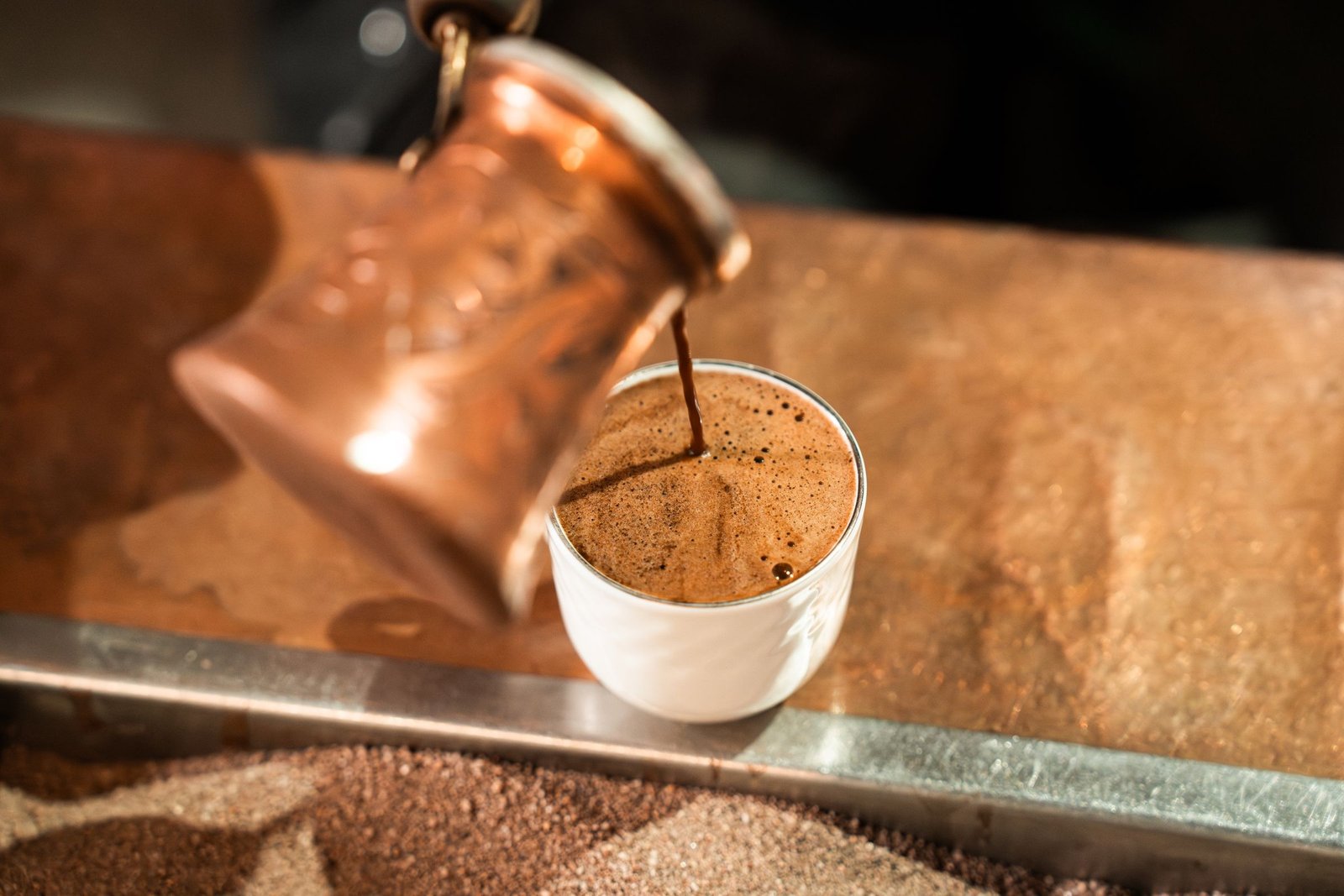
On International Coffee Day, 1 October 2026, Saudi media reaffirmed Saudi coffee as part of the country's cultural heritage. Arab News published a feature on the subject, and the Saudi Press Agency, whose report was republished by Asharq Al-Awsat, called coffee a symbol of generosity and hospitality.
The material is a useful prompt for a closer look at a ritual every reader in the Gulf knows: where the beans are grown, how the cup changes from one region to the next, and what is being invested to grow more of them at home.
Where the beans grow
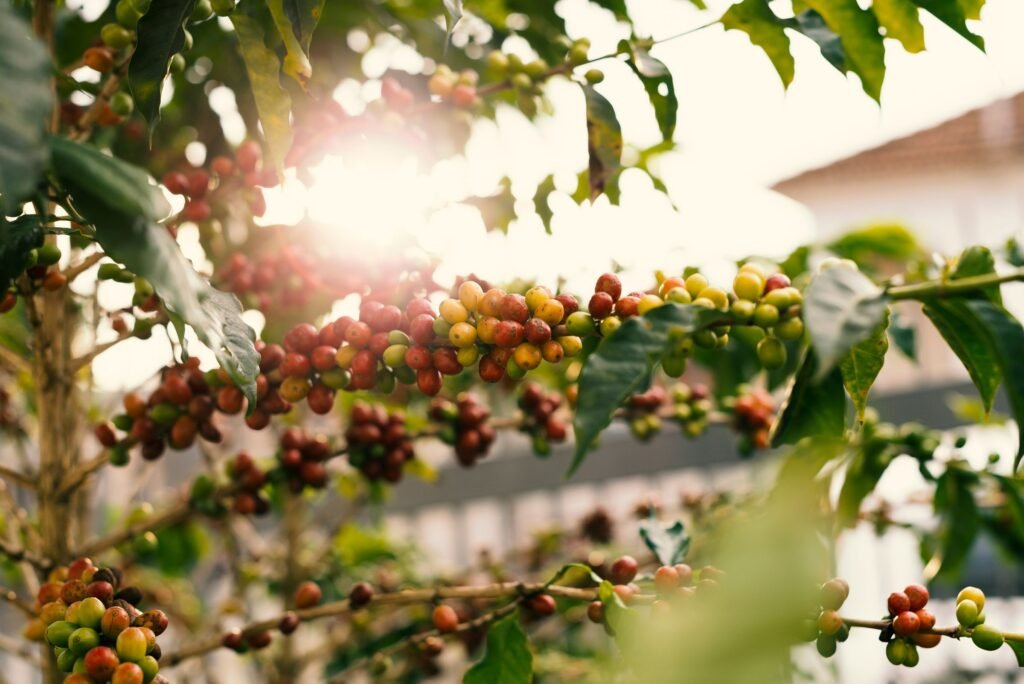
Saudi coffee is grown on terraces in the south-western highlands, across Jazan, Najran, Aseer and Al-Baha. Dr Osama Ghanem Alobaidy, an academic in Riyadh, told Arab News that Saudi Arabia produces thousands of tonnes of coffee, mostly in the south-western mountainous regions.
The Ministry of Culture designated 2022 the Year of Saudi Coffee, a sign that the crop is treated as part of the national heritage as well as an agricultural product. UNESCO has also recognised the practices around cultivating Khawlani coffee beans, from Jazan, as intangible cultural heritage, in 2022.
A map of the finjan
The finjan, the small handleless cup, changes in character as one moves across the country. Arab News describes four regional styles, and the differences are in the spice:
- Najd: coffee with cardamom and saffron.
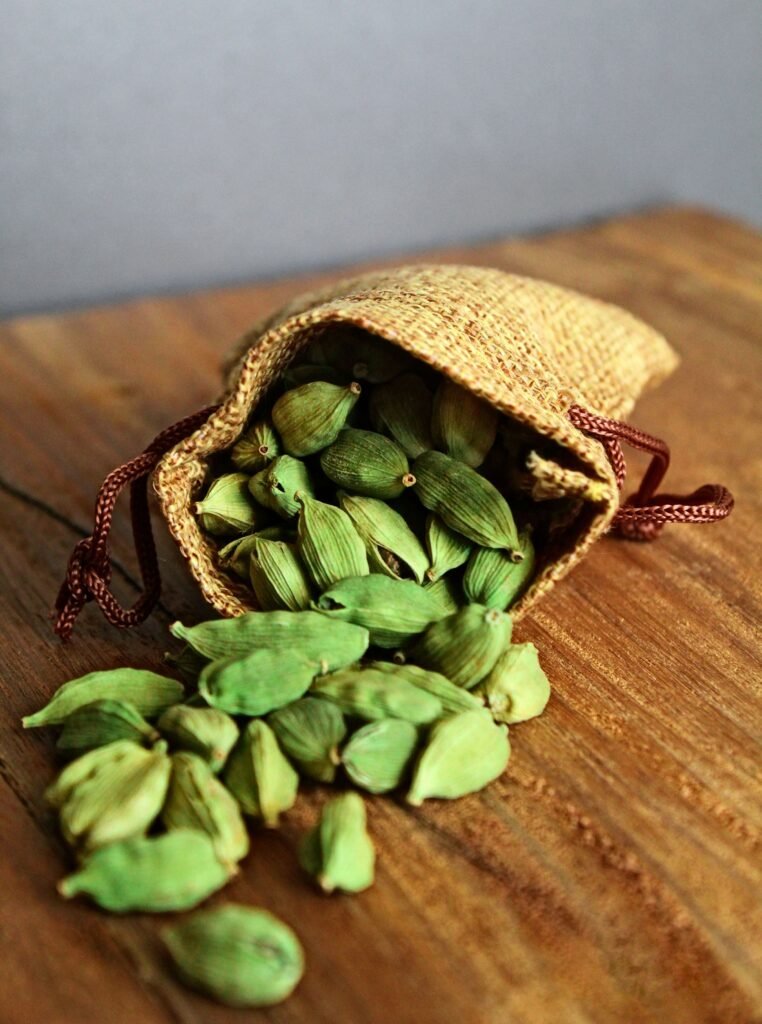
- The south: cardamom, saffron, cloves, ginger and cinnamon.
- Hail: cardamom, saffron and cloves.
- The western region: coffee and cardamom only.
The result is a map you can taste. The same bean produces a different cup depending on what is added, and the choice usually reflects local custom. A host in the south adds more spices than one in the west, where the cup is the simplest of the four.
Arabic coffee itself is part of a shared Gulf inheritance. UNESCO inscribed Arabic coffee on its Representative List of the Intangible Cultural Heritage of Humanity in 2015, in a joint file that included Saudi Arabia, the UAE, Oman and Qatar. The ritual of preparing, pouring and receiving the cup crosses borders, even where recipes differ.
Why it matters at home
Thamr Alotaibi, a resident of Taif, told Arab News that coffee is far more than a daily beverage. That view matches the way the Saudi Press Agency describes it: as a symbol of generosity and hospitality. A cup offered to a guest is a gesture of welcome before it is a drink.
The Saudi Press Agency also lists Saudi Arabia among the world's highest coffee consumers. It says coffee is promoted through events and festivals, by showcasing local crops and farmers, and by introducing Saudi coffee to younger generations.
That last point is important. A ritual is kept alive by the people who take part in it, and the interest of a younger audience is part of what keeps the culture current.
The SR1.2bn bet
The commercial side is changing too. The Saudi Coffee Company, which was set up by the Public Investment Fund (PIF), is investing SR1.2 billion, about $319.47 million, over a decade. Arab News reports that the aim is to raise output and to promote Saudi beans globally.
The figure gives a scale to the ambition. A country that consumes a great deal of coffee has been building the means to grow more of it. For farmers on the terraces of Jazan and Aseer, the investment could mean a market for their beans beyond local buyers, although the sources read do not describe the plan in detail.
The sources read also do not give production targets or a timeline, so the details of how the company will use the money remain to be seen.
Reading the day
Arab News states that the United Nations marked 1 October 2026 as International Coffee Day for the first time, but that claim could not be confirmed elsewhere. The International Coffee Organization launched International Coffee Day in 2015, which is the more established account of the date's origin.
What can be said is that the day gave Saudi media a reason to look at its own cup. The picture they drew is a consistent one: the crop in the highlands, the ritual in the majlis and the investment to link the two.
A cup worth noticing
For readers across the Gulf, the lesson of the day is a gentle one. The coffee poured from a dallah, the traditional pot, into a small finjan is not the same everywhere in Saudi Arabia, and noticing the difference is part of knowing the country. Whether the next cup contains cardamom alone or cloves, ginger and cinnamon, it reflects the place where it was made.
In Saudi Arabia the same bean tastes different in every region, depending on what goes into the pot.
Sources: Arab News, Asharq Al-Awsat