The Diriyah Biennale Foundation has named four lead curators for the third Islamic Arts Biennale, which is due to open in Jeddah on 1 November 2027. ArtReview reported the appointments on 17 September 2026, and Daily Sabah, citing Anadolu Agency, followed on 22 September. Morocco’s Le Matin also carried the news.
The biennale will return to the Western Hajj Terminal at King Abdulaziz International Airport in Jeddah. The reports do not give a closing date.
The team is notable for where its members come from. Between them they connect Dubai, Doha, Oxford and Dhahran, and they add the experience of one of the art market’s best-known specialists in Islamic art. For a Saudi event with an international audience, it is a deliberately regional and deliberately expert line-up.
The four curators
Nada Raza is director of the Alserkal Arts Foundation in Dubai. She was previously artistic director of the Ishara Art Foundation, also in Dubai. Her appointment links the biennale to the emirate’s independent art scene, which has grown around the warehouses of Alserkal Avenue.
William Robinson is the former head of Islamic art at Christie’s, where he also led the carpets department. He is now an independent adviser and researcher. For collectors, his name is perhaps the most recognisable of the four, since it comes from the auction room rather than the museum.
Alain Fouad George holds the I. M. Pei Professorship of Islamic Art and Architecture at the University of Oxford and is director of the Lusail Institute in Doha. He brings an academic and architectural perspective, which suits a biennale staged inside a landmark building.
Idries Trevathan is the former chief curator of the King Abdulaziz Center for World Culture, known as Ithra, in Dhahran. His experience of building exhibitions in the Kingdom’s eastern province gives the team a close knowledge of Saudi institutions.
What the brief promises
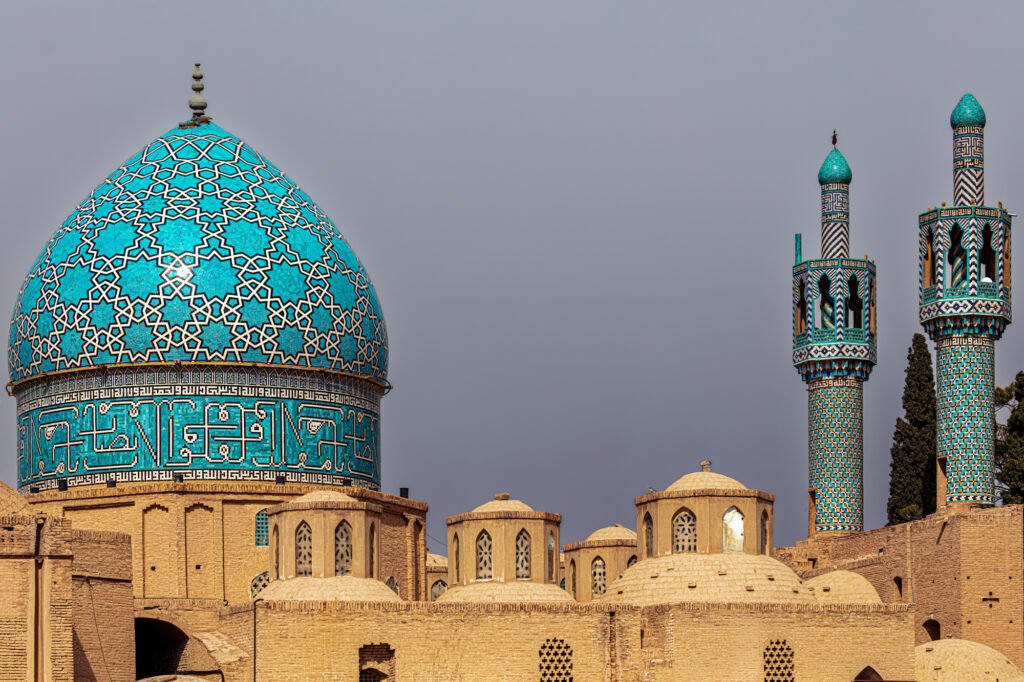
According to Daily Sabah, the 2027 edition will examine the arts of Islamic societies through three ideas: mobility, encounters and cultural exchange. It also plans to give more weight to intangible heritage, community and social resilience, which means practices and knowledge that are lived rather than displayed behind glass.
The format is familiar. Historical works from international collections will be combined with newly commissioned contemporary art. ArtReview summarises the aim as tracing the tangible and intangible influences of the Muslim world.
Two further elements have been announced. The first is an expansion of AlMadar, a word that means orbit, which is the biennale’s platform for institutional partnerships. It includes a planned digitised archive. The second is the display of the winning design of the second AlMusalla Prize, which asks architects and designers to imagine the future of prayer spaces.
For a reader who follows Islamic art, the digital archive may prove as significant as any single object. Exhibitions of this kind are temporary by nature, and an archive gives their research a second life after the doors close.
A hall with a history
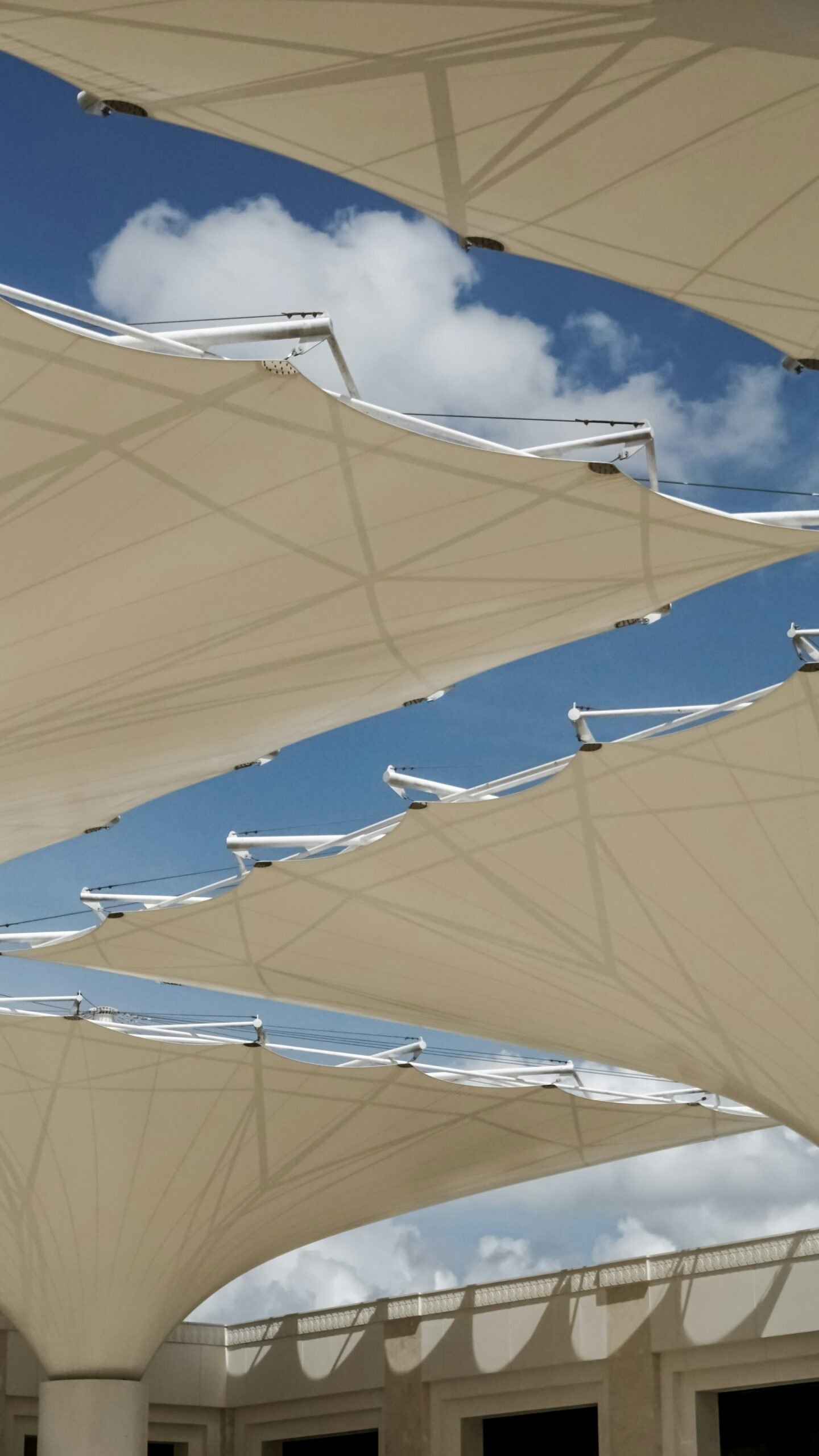
The first Islamic Arts Biennale opened in January 2023, and the second, titled And All That Is In Between, ran in early 2025. Both were held at the Western Hajj Terminal, whose tented canopy roof, designed by the firm SOM, won an Aga Khan Award for Architecture in 1983.
The choice of venue is part of the biennale’s character. Pilgrims pass through the terminal on their way to Makkah, and the white fabric roof, supported by steel cables, covers a space large enough to hold monumental installations. Using it again gives the third edition continuity with the first two.
Why collectors pay attention
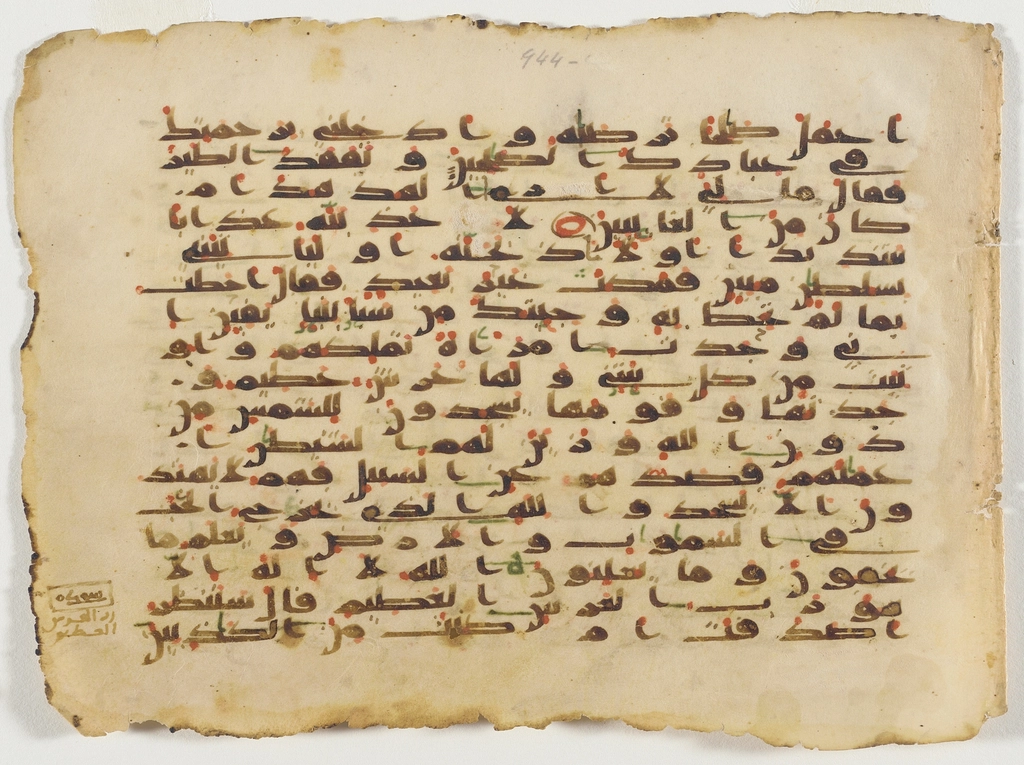
The biennale has become a fixture on the calendar for collectors and students of Islamic art, partly because it brings together objects that are rarely seen in the same room: manuscripts, textiles, metalwork, ceramics and, increasingly, work made this decade. A curatorial team that includes an auction specialist, a museum scholar and two leaders of Gulf art institutions suggests an event aimed at both scholarship and the market.
It also reflects a wider pattern in the region. Dubai, Doha and Dhahran each have cultural institutions with their own collections and ambitions, and the biennale draws on all three. The effect is a Saudi event with a Gulf-wide voice.
What comes next
Much remains to be announced. The reports do not list participating artists or lenders, a title for the edition or a closing date. These details are expected to follow as the opening approaches.
For now, the appointment settles the most important question: who will decide what visitors see. With a little over a year to go, the four curators have been named, the venue is known and the opening date is fixed.
Sources: ArtReview, Daily Sabah, Le Matin