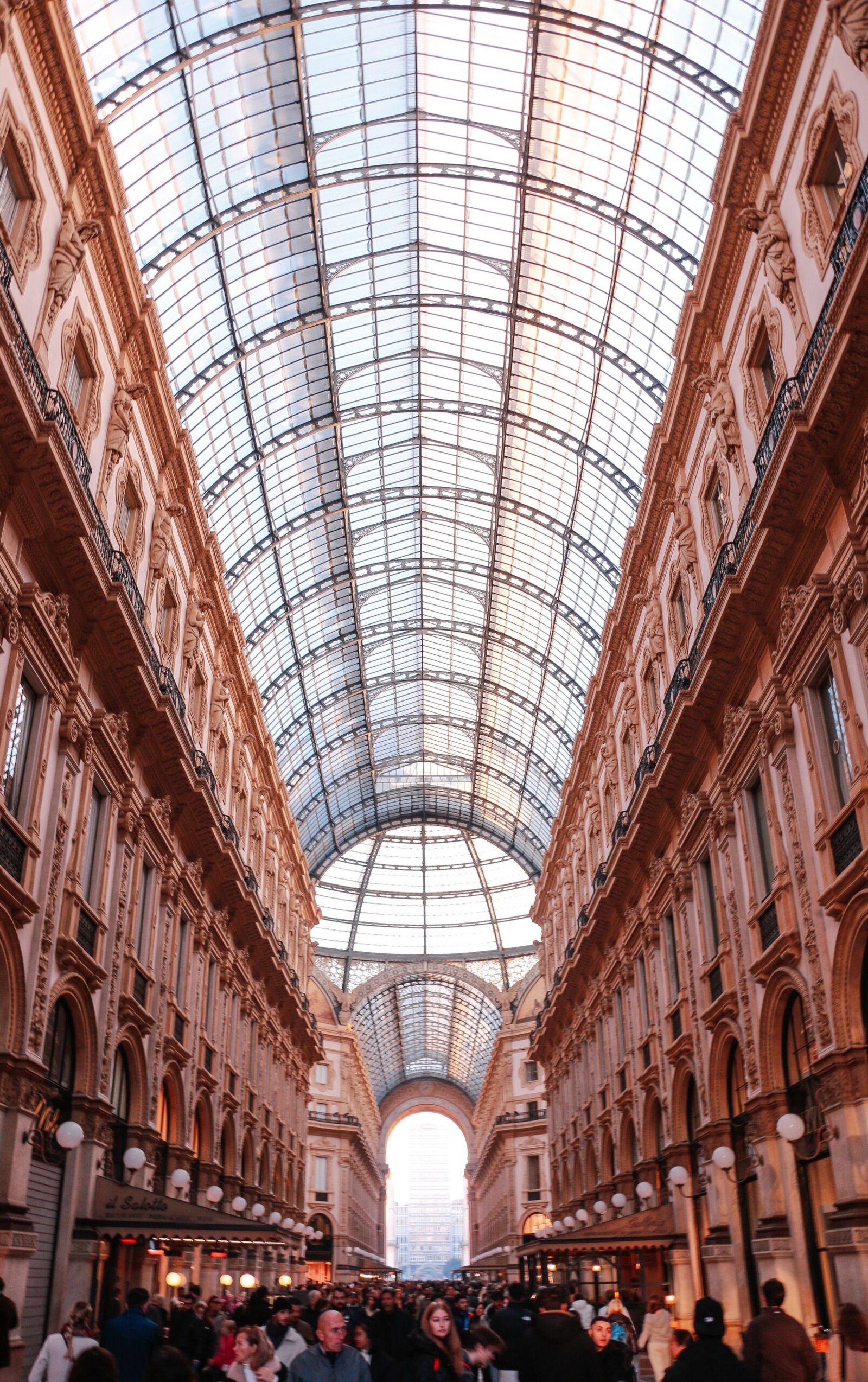
Patek Philippe’s seventh Watch Art Grand Exhibition opened in Milan on Friday 2 October and runs until 18 October 2026. Spread across 2,900 sqm on a central, easily reached site, it is by far the largest of the series, and more than 45,000 people had registered to visit by opening day, according to Monochrome Watches.
The exhibition was also the setting for a statement about the company’s future. Speaking in Milan, its president, Thierry Stern, told WatchPro that Patek Philippe is not for sale and that "the target is to stay independent". His eldest son, Adrien, 24, attended the event.
For readers in the Gulf, the exhibition has a home connection. Stern told Monochrome that the Grand Exhibitions began in Dubai, in a space of about 800 sqm. That first show was held in 2012, and the series has since travelled to Munich, London, New York, Singapore and Tokyo before reaching Milan.
From Dubai to Milan
The step from roughly 800 sqm in Dubai to 2,900 sqm in Milan shows how far the format has grown. Each Grand Exhibition is part museum and part showcase, and each has brought watches made only for its host country: nine limited editions for New York in 2017, six for Singapore in 2019 and six for Tokyo in 2023. Milan has seven, all reserved for the Italian market.
The Gulf link continues in Milan itself. Dubai Watch Week, founded in the emirate in 2015 by Ahmed Seddiqi & Sons, scheduled the first chapter of its new travelling gathering, Off the Clock, in the city on 3 October, during the exhibition’s first weekend.
Inside the exhibition
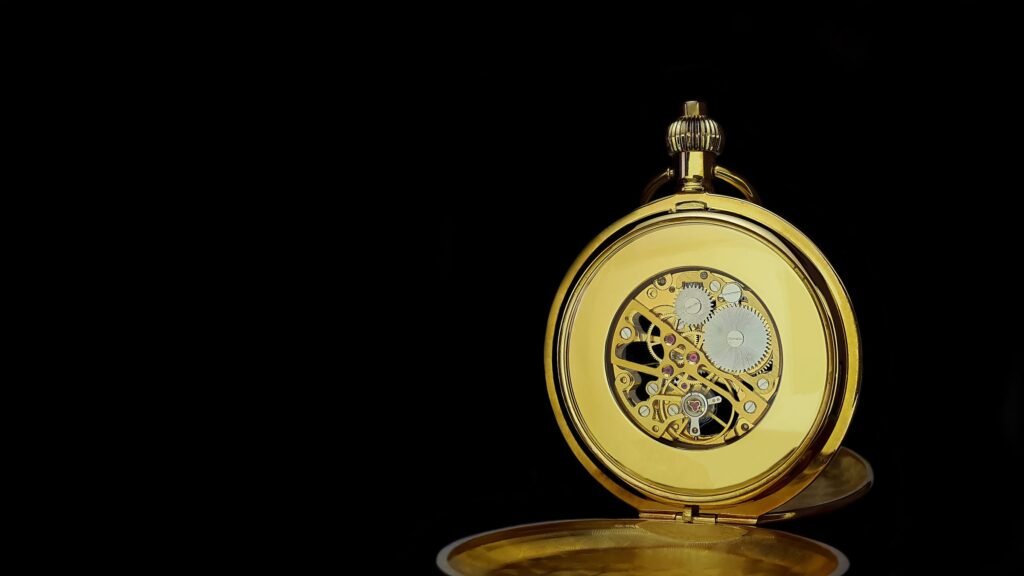
The show moves through sections on historic milestones, patents and complex timepieces, with new areas given over to the company’s archives. Among the highlights are the Graves Super-Complication, a gold pocket watch completed in 1933 for the American banker Henry Graves Jr, and the Star Calibre 2000, the Grandmaster Chime and the new Perpetual Calendar Chronograph.
Stern used his interview with Monochrome to talk about time and patience. "It takes a minimum of a full year to build a watch once design and development are complete," he said. He added that "restorability", meaning that a watch can still be repaired long after it was made, is written into Patek’s engineering rules. On the skills behind the work, he said: "Someone taught you this skill. You have a duty to pass it on."
Seven watches for Italy
The lead Italian edition is the 5978P-010 Instantaneous Perpetual Calendar Chronograph. It combines a chronograph, in effect a stopwatch, with a perpetual calendar, which shows the date, day, month and leap year and allows for months of different lengths without manual correction. "Instantaneous" means its calendar displays all jump at once at midnight. The watch also has a 24-hour indication and shows the phases of the moon.
The case, 42mm across and 14.2mm thick, is polished platinum 950 and water-resistant to 30 metres. The navy-blue dial has a textured centre, a sunburst finish and a rim that darkens towards black. It is worn on a navy composite strap with a platinum fold-over clasp. Inside is the hand-wound calibre CH 29-535 PS QI, made of 500 parts with 33 jewels, beating at 4Hz and holding 55 to 65 hours of power with the chronograph disengaged. It is limited to 120 pieces, priced at EUR 318,100 including taxes at launch. The other six Italian editions were not described in the first reports.
Staying independent
Founded in Geneva in 1839, Patek Philippe has been controlled by the Stern family since 1932, when Charles and Jean Stern bought the company during the Great Depression. Henri Stern joined in 1935, founded the Henri Stern Watch Agency in New York and became president in 1958. Philippe Stern joined in 1966 and became president in 1993. He died earlier this year.
Thierry Stern, born in 1970, became vice-president in 2003 and president in 2009. He has overseen the PP6 manufacture at Plan-les-Ouates, launched the Cubitus collection in 2024 and owns 100% of the shares. Morgan Stanley and LuxeConsult estimate the company’s 2025 sales at CHF 2.5 billion, which would make it the fourth-largest Swiss watchmaker.

"Being independent allows me to choose my own destiny and my own strategy," Stern told WatchPro. To Monochrome, he put it in personal terms: "Legacy brings a heavy sense of responsibility." He also compared his role to a game: "Running Patek Philippe is like playing chess."
Legacy brings a heavy sense of responsibility.
Thierry Stern, President, Patek Philippe
The next generation
Stern has set no date for stepping back. "We do not have a timetable. My dad stayed until he was around 75, and that is too late for me," he told WatchPro. Adrien, the elder of his two sons, is being prepared to take over, and WatchPro names both Adrien and his brother Tristan as the next generation.
Succession is a familiar subject in the Gulf, where many of the region’s leading companies are family-owned. Dubai Watch Week’s 2025 edition included an Arabic-language panel on succession in family businesses, and the sight of a fourth-generation owner with his son beside him in Milan will be familiar to many readers here.
The exhibition runs until 18 October, so Gulf collectors travelling to Italy in the coming days can still see it. Opening hours and booking details are best checked with Patek Philippe before travelling. For a company that takes at least a year to make a single watch, the days left in Milan are a short window.
Sources: Monochrome Watches, Monochrome Watches, WatchPro, Dubai Watch Week, FACT Magazine