Daniel Libeskind has won the 2026 Praemium Imperiale for architecture, one of the most prestigious international prizes in the arts. The 37th set of laureates was announced on Tuesday 8 September, simultaneously in Paris, Rome, Berlin, New York, London and Tokyo. Libeskind, who leads the New York-based Studio Libeskind, is named alongside the artist Jenny Holzer, the sculptor Andy Goldsworthy, the conductor Herbert Blomstedt and the actor Cate Blanchett.
Each laureate receives an honorarium of 15 million yen, which Dezeen puts at about £70,000, together with a testimonial letter. The medals are due to be presented on 28 October at the Meiji Kinenkan in Tokyo, where Prince Hitachi is scheduled to hand them to the laureates.
The prize, often described as the Nobel of the arts, was established by the Japan Art Association in 1988 and is given each year in five disciplines: painting, sculpture, architecture, music, and theatre or film. Alongside the five laureates, this year’s Grant for Young Artists, worth 5 million yen, goes to La Source Garouste in France.
The architect of memory
Libeskind is Polish-American, born in Łódź, Poland, in 1946. In its citation, the Japan Art Association describes him as "celebrated for his ability to evoke cultural memory". The phrase sums up the approach that has run through his career: buildings designed to carry meaning, through their form, their light and the route a visitor takes through them.
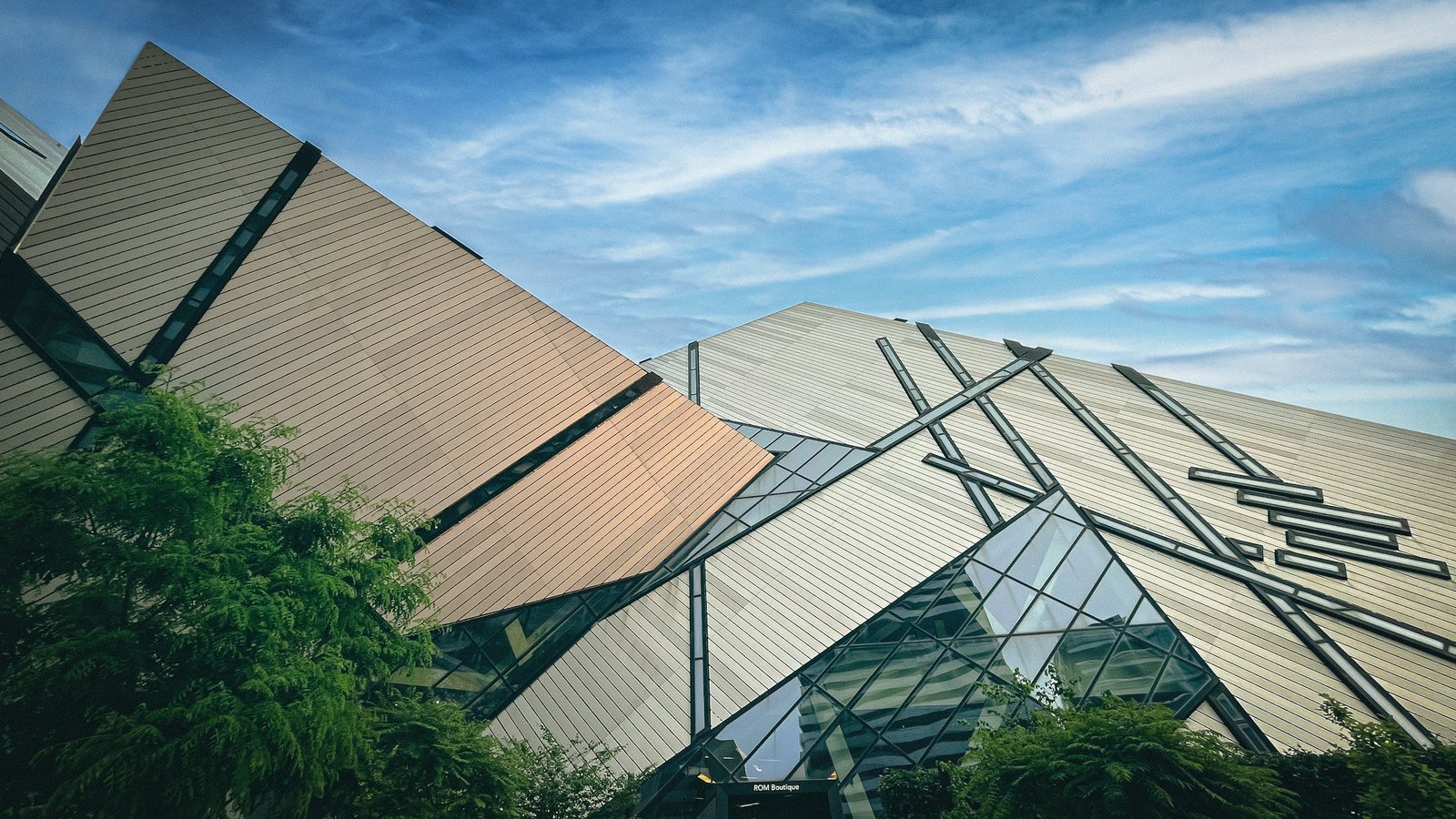
His work is easy to recognise. Sharp angles, slanted walls, splintered volumes and narrow cuts of light return again and again, in museums, homes, theatres and shopping centres. Few of his buildings sit quietly in a street. They are meant to be felt as much as seen, and to make visitors aware of the space they are moving through.
In Toronto, his Michael Lee-Chin Crystal for the Royal Ontario Museum, completed in 2007, breaks out of a historic building in a cluster of angular, crystal-like forms. Dezeen’s report on the prize names other buildings: the Maggie’s Centre at the Royal Free hospital in London, part of a network of centres that support people living with cancer, and the Atrium at Sumner in Brooklyn, New York, besides museums in Berlin and Dresden.
Five laureates, five disciplines
The other laureates cover a wide range of the arts. Jenny Holzer, honoured for painting, is an American artist known above all for her texts: short, pointed statements shown on LED signs, carved into stone benches and projected onto the faces of buildings.
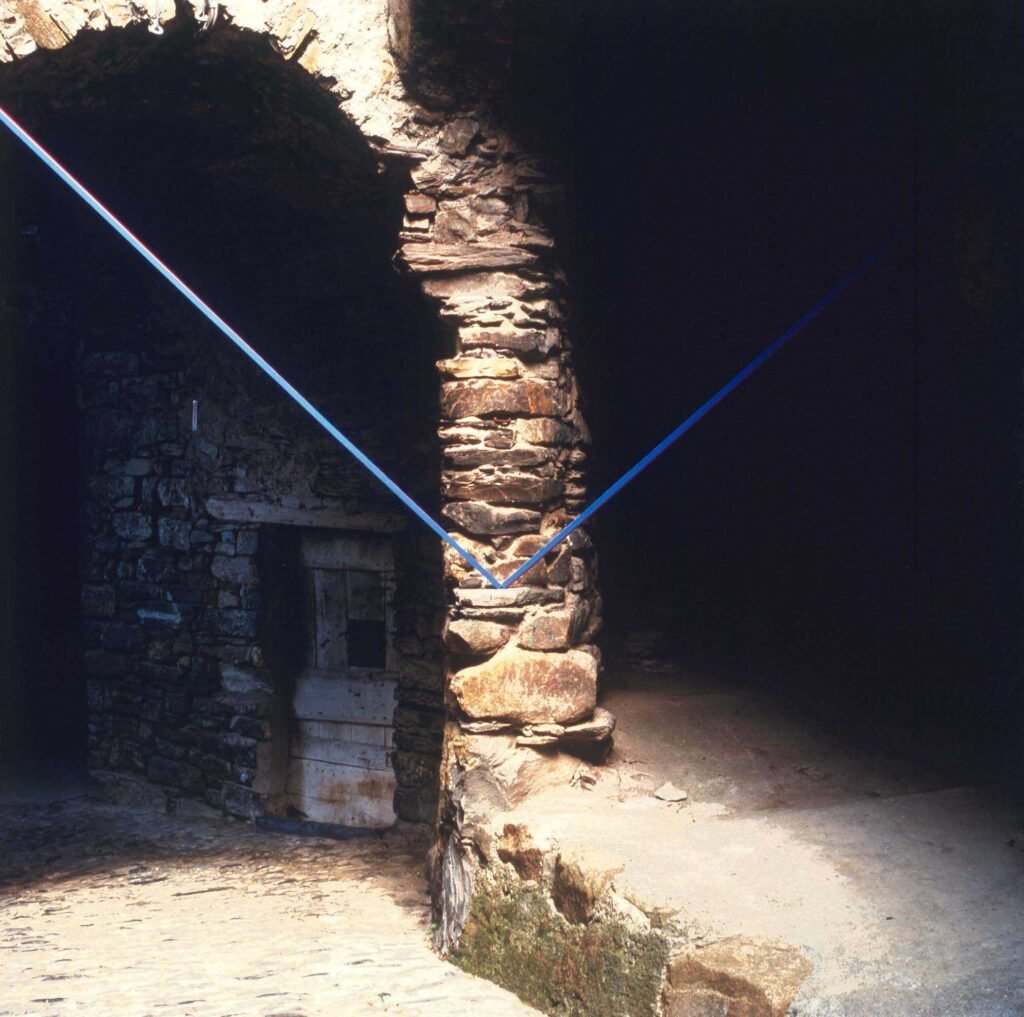
Andy Goldsworthy, the sculpture laureate, is a British artist who works with the landscape itself. His pieces are made from stones, leaves, branches, ice and earth, and many are left to change with the weather or to fade away, recorded in his own photographs.
Herbert Blomstedt, honoured for music, is a Swedish conductor whose long career has taken him to the podiums of many of the world’s great orchestras. Cate Blanchett, the theatre and film laureate, is the Australian actor who has won two Academy Awards and who has also worked widely on stage, including as co-artistic director of the Sydney Theatre Company.
Lord Patten of Barnes, an international advisor to the Praemium Imperiale, was quoted by Dezeen as saying that the laureates "share an immense passion for their respective craft". It is a fair description of a group that runs from text and light to stone and leaves, and from the concert hall to the cinema screen.
A prize with a Gulf thread
For readers in the region, the architecture prize has a familiar name on its roll of honour. Zaha Hadid, the Iraqi-British architect born in Baghdad, received the Praemium Imperiale for architecture in 2009. Her buildings in the Gulf include the Sheikh Zayed Bridge in Abu Dhabi and the King Abdullah Petroleum Studies and Research Center in Riyadh.
Hadid and Libeskind also share a starting point. Both were among the seven architects shown in the 1988 Deconstructivist Architecture exhibition at the Museum of Modern Art in New York, a show that brought their angular, restless forms to a wide audience. Nearly four decades later, both have been honoured by the same prize.
Dezeen also names earlier architecture laureates including Eduardo Souto de Moura of Portugal, Shigeru Ban of Japan and Diébédo Francis Kéré of Burkina Faso. Each is known for a distinct idea of building, from Souto de Moura’s calm stone and concrete to Ban’s paper tubes and Kéré’s clay and shade. Libeskind’s place among them rests on a different idea: that a building can tell a story.
What comes next
Architecture has several major international prizes, but the Praemium Imperiale is unusual in placing architects in the company of painters, sculptors, musicians and actors. This year, that puts Libeskind on the same stage as a Swedish conductor and an Australian film star, a reminder that the prize treats building as one of the arts.
The laureates are due in Tokyo on 28 October, when Prince Hitachi is scheduled to present the medals at the Meiji Kinenkan. For Libeskind, the prize recognises a career built on one conviction: that architecture can hold memory as well as space.
Sources: Praemium Imperiale, Dezeen